
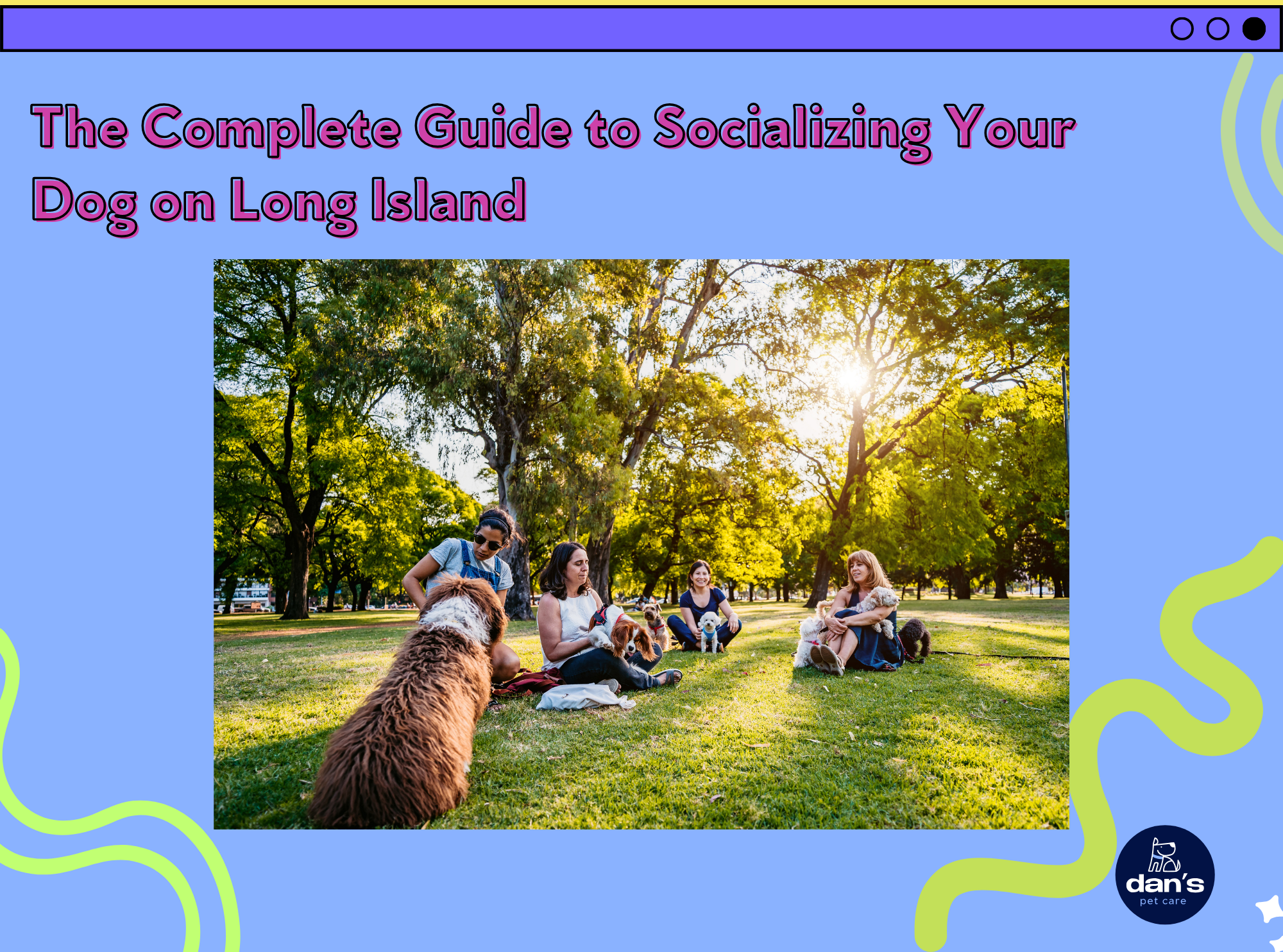
Socialization is one of the most important gifts you can give your dog, and it shapes how confident and comfortable they feel for the rest of their life. A well socialized dog is calmer, friendlier, and far easier to live with, whether you are walking through your Long Island neighborhood, visiting a busy park, or welcoming guests into your home.
Many people assume socialization is only about meeting other dogs, but it is much broader than that. It is about helping your dog feel safe and relaxed around new people, animals, places, sounds, and experiences. In this guide, we will walk through everything Long Island dog owners need to know to raise a happy, well adjusted companion.
What Is Dog Socialization?
Dog socialization is the process of gradually and positively exposing your dog to the world around them. The goal is not to overwhelm your dog with as many experiences as possible, but to help them build positive associations with new things at a comfortable pace. When socialization is done well, your dog learns that unfamiliar people, dogs, sounds, and places are nothing to fear.
Good socialization includes people of different ages and appearances, other friendly animals, a variety of surfaces and environments, everyday noises, and gentle handling. Each positive experience teaches your dog that the world is a safe and interesting place. On Long Island, where dogs encounter quiet suburban streets and lively town centers alike, this foundation supports a calm and confident pet.
Why Socialization Matters on Long Island
Long Island is a busy, diverse place, and your dog will encounter a lot as part of daily life. Between beach towns, village main streets, parks, and packed sidewalks, there are countless sights, sounds, and smells for a dog to process. A dog who has been well socialized takes all of this in stride, while an under socialized dog may feel anxious or reactive.
Socialization also makes everyday care easier. A confident dog is simpler to walk, groom, and bring to the vet, and is far more comfortable when a pet sitter or dog walker visits. Investing in socialization early saves you and your dog a great deal of stress later, and it opens the door to more shared adventures across Long Island.
The Puppy Socialization Window
Puppies have a key socialization window that generally runs through the first few months of life. During this time, they are especially open to new experiences, and positive exposure now pays off for years. This does not mean rushing your puppy into overwhelming situations. It means offering gentle, positive introductions to the world at a pace your puppy can handle.
Keep early experiences short, calm, and rewarding. Let your puppy watch new things from a comfortable distance, and pair new sights and sounds with treats and praise. Because young puppies are still building immunity, talk with your Long Island veterinarian about safe ways to socialize before vaccinations are complete, such as carrying your puppy in busy areas or hosting calm, healthy visitors.
Can You Socialize an Adult Dog?
Absolutely. While the puppy window is ideal, adult dogs can still learn to feel more comfortable in the world. It simply takes more patience and consistency. Rescue dogs and dogs with limited early experiences may need extra time, and that is perfectly normal. The key is to move slowly and never force your dog into a situation that frightens them.
Start with low pressure experiences and gradually build up. Reward calm behavior generously, and watch your dog closely for signs of stress. If your adult dog struggles with fear or reactivity, professional guidance can make a real difference. With steady effort, many Long Island dogs become noticeably more relaxed and confident, even later in life.
Socializing Your Dog With People
Helping your dog feel comfortable around people is a cornerstone of good socialization. Introduce your dog to people of different ages, sizes, and appearances, including children, seniors, and people wearing hats, sunglasses, or uniforms. Each positive interaction teaches your dog that new people are friendly and safe.
Keep greetings calm and let your dog approach at their own pace rather than being crowded. Ask visitors to offer treats and gentle praise instead of overwhelming attention. If your dog is shy, give them the choice to say hello or to observe from a distance. Over time, these positive experiences build a dog who greets Long Island neighbors and guests with a wagging tail.
Socializing With Other Dogs
Meeting other dogs is an important part of socialization, but quality matters more than quantity. A few calm, positive interactions with friendly dogs are far more valuable than chaotic encounters. Choose playmates who are well mannered, and keep early meetings short and relaxed so your dog builds good associations.
Watch body language carefully. Loose, wiggly bodies and playful bows signal comfort, while stiffness, tucked tails, or attempts to retreat signal stress. Not every dog wants a big group of friends, and that is okay. Some dogs prefer one or two trusted companions. Well managed walks around Long Island can offer safe, controlled exposure to other dogs at a distance your dog finds comfortable.
Getting Used to Everyday Sounds
The world is full of sounds that can startle an unprepared dog, from traffic and sirens to vacuum cleaners, thunder, and delivery trucks. Sound socialization helps your dog stay calm when they hear something new or loud. The goal is to build positive associations so that unexpected noises do not trigger fear.
Introduce sounds gradually and at a low level, pairing them with treats and calm praise. On Long Island, everyday life brings landscaping equipment, buses, and busy streets, so early, positive exposure is helpful. If your dog is especially sensitive to noise, keep sessions short and never punish a fearful reaction. Patience and rewards teach your dog that sounds are simply part of a safe routine.
Exposure to Different Environments
Dogs benefit from experiencing many different environments, not just the inside of your home and your own backyard. Different floor surfaces, stairs, elevators, sidewalks, grass, sand, and gravel all help your dog feel confident on their feet. New settings also provide valuable mental stimulation.
Take your dog to a variety of dog friendly places around Long Island as they grow more comfortable, always at a pace that feels manageable. Quiet streets, outdoor shopping areas, and pet friendly spots are great starting points. Keep outings positive and end on a good note. The more environments your dog navigates successfully, the more adaptable and relaxed they become in unfamiliar situations.
Positive Experiences With Handling
Handling socialization prepares your dog for grooming, vet visits, and everyday care. Gently touch your dog’s paws, ears, mouth, and tail while offering treats and praise, so they learn that being handled is pleasant. This makes nail trims, ear cleaning, and examinations far less stressful for everyone.
Go slowly and respect your dog’s comfort level. If your dog pulls away, ease off and try again later with more rewards. Practice having your dog wear a collar, harness, and leash comfortably. A dog who tolerates handling well is easier to care for at the groomer, the veterinarian, and during visits from a Long Island pet sitter or dog walker.
Common Socialization Mistakes
Even well meaning owners make socialization mistakes. One of the most common is moving too fast and flooding a dog with overwhelming experiences, which can create fear rather than confidence. Another is forcing interactions when a dog is clearly uncomfortable, which teaches your dog that you will not listen to their signals.
• Rushing introductions instead of letting your dog set the pace
• Ignoring signs of stress like lip licking, yawning, or trying to retreat
• Punishing fearful reactions, which increases anxiety
• Skipping socialization entirely during the early months
• Only exposing a dog to the same few people and places
Avoiding these pitfalls helps ensure your socialization efforts build a calmer, happier dog.
Signs Your Dog Is Overwhelmed
Learning to read your dog is essential during socialization. A dog who is feeling overwhelmed will often show subtle stress signals long before they react more dramatically. Recognizing these early lets you step back and keep experiences positive.
• Lip licking, yawning, or panting when not hot
• Tucked tail or lowered body posture
• Trying to hide, retreat, or move away
• Freezing or refusing to move
• Excessive shaking or drooling
If you notice these signs, calmly create more distance from whatever is worrying your dog and give them a break. Ending on a positive note, even a small one, helps your dog feel successful and ready to try again another day.
How Professional Dog Walking Supports Socialization
Regular, well managed walks are one of the best ways to reinforce socialization. During a walk, your dog practices staying calm around people, other dogs, traffic, and everyday sights across Long Island. A skilled walker knows how to read your dog and keep these encounters positive and low pressure.
Consistency matters, and busy schedules can make daily socialization walks hard to maintain. A professional walker keeps your dog’s routine steady, even when you are at work. This ongoing, structured exposure helps prevent the isolation that can lead to fear or reactivity, and it keeps your dog engaged with the world in a safe, controlled way.
When to Get Professional Training Help
Sometimes socialization needs a little extra support, and there is no shame in asking for it. If your dog shows ongoing fear, growls or lunges at people or dogs, or seems stuck despite your efforts, a professional trainer can help. Early intervention is far easier than waiting until a behavior becomes deeply rooted.
A good trainer builds a customized plan that meets your dog where they are and progresses at a healthy pace. They can also coach you on reading body language and responding calmly. For Long Island families who want a confident, well mannered dog, combining professional training with everyday practice often delivers the best and longest lasting results.
Socializing Your Dog at the Vet and Groomer
Vet and groomer visits are part of life, and a dog who is comfortable in these settings has a much easier time. You can prepare your dog by making these places feel positive rather than scary. Practice gentle handling at home, touching the paws, ears, and mouth while offering treats, so exams and grooming feel familiar.
Ask your Long Island veterinarian or groomer about brief, low pressure visits where your dog simply gets treats and attention without a full appointment. These positive trips build good associations over time. A dog who feels calm at the vet and groomer is safer, less stressed, and easier to care for, which benefits everyone involved in their health and wellbeing.
Car Rides and Travel
Many dogs need to travel by car, whether for vet visits, outings, or trips. Helping your dog feel comfortable in the car is an important part of socialization. Start with short, positive trips that end somewhere pleasant, so your dog learns that car rides lead to good things rather than only stressful destinations.
Use a secure harness or crate to keep your dog safe, and keep early rides calm and brief. Gradually build up to longer trips as your dog grows comfortable. Some dogs experience motion sensitivity, so go slowly and watch how your dog responds. For Long Island families who love to explore, a dog who travels well opens the door to many shared adventures.
Introducing Your Dog to Children
Dogs and children can form wonderful bonds, but positive introductions and supervision are essential. Teach your dog to associate children with calm, pleasant experiences by keeping early interactions gentle and rewarding. Just as importantly, teach children how to approach and touch a dog respectfully, without grabbing, chasing, or overwhelming them.
Always supervise interactions between dogs and young children, and give your dog a way to retreat if they need a break. Reward your dog for calm behavior around kids. With patience and guidance, your dog learns that children are friendly and safe. For Long Island families, a dog who is comfortable around children makes home life and neighborhood outings far more relaxed.
Socialization at Long Island Beaches and Parks
Long Island offers many dog friendly places where your dog can practice their social skills in the real world. Parks, trails, and dog friendly beach areas provide fresh sights, sounds, and smells that enrich your dog and reinforce calm behavior around people and other dogs. These outings are both fun and educational.
Start in quieter areas and at less crowded times, then build up to busier settings as your dog gains confidence. Bring treats to reward relaxed behavior, and always follow local rules and leash requirements. Watch your dog’s comfort level and give them space when needed. Exploring Long Island together strengthens your bond while keeping your dog’s socialization skills sharp.
Maintaining Socialization for Life
Socialization is not a task you complete once and forget. It is an ongoing part of your dog’s life. Dogs who stop having positive social experiences can gradually become more fearful or reactive over time. Keeping up regular, positive exposure helps your dog stay confident and comfortable throughout their life.
Continue introducing your dog to new experiences, people, and environments at a comfortable pace, even into adulthood and the senior years. Regular walks, outings, and interactions all help maintain those valuable social skills. Consistency is the key to a well adjusted dog. For Long Island families, making socialization a lifelong habit ensures your dog remains a calm, happy companion.
How Dan’s Pet Care Can Help
At Dan’s Pet Care, we help Long Island dogs build confidence through consistent, positive experiences. Our dog walking services give your dog regular, well managed exposure to the world, while our dog training services support socialization, manners, and calm behavior with a customized plan.
Every visit is handled by a trained, insured Pet Care Specialist who understands canine body language and keeps your dog comfortable. Whether you have a new puppy or an adult dog who needs a little extra help, we build a routine around your dog’s needs and your schedule.
Final Thoughts
Socialization is not a one time task. It is an ongoing part of caring for a happy, confident dog. With patience, positive experiences, and consistency, you can help your dog feel at home everywhere they go on Long Island, from quiet streets to busy town centers.
Ready to give your dog the confident, well socialized life they deserve? Contact Dan’s Pet Care today to build a walking and training plan that fits your dog and your family.