Why Dogs Are Wired to Bond With Us
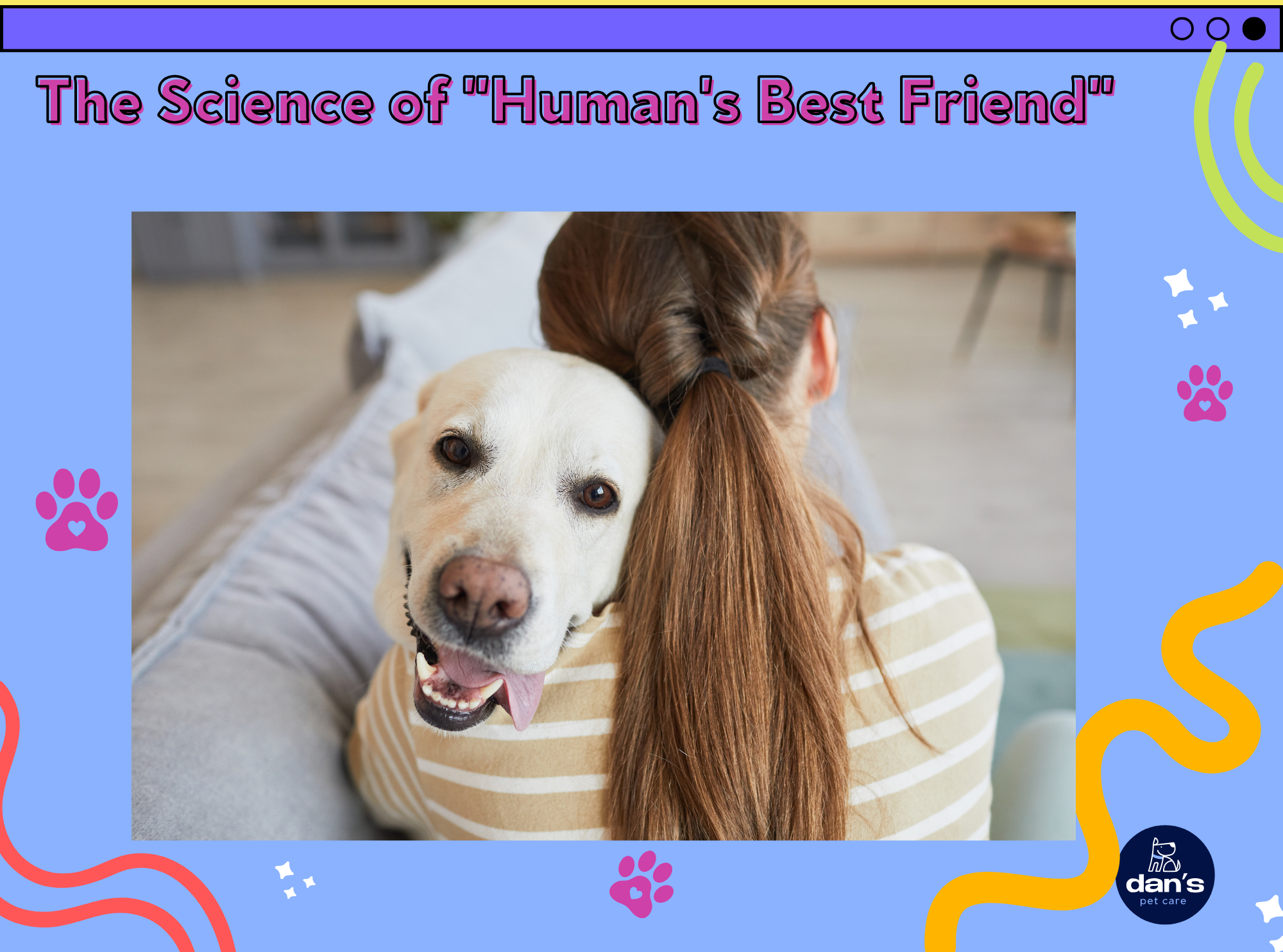
Dogs have long held the title of “man’s best friend,” but the science behind this bond is deeper than mere companionship. Recent studies show that dogs are biologically and behaviorally hardwired to connect with humans. Their evolutionary journey from wolves to domesticated pets has equipped them with social instincts that mirror our own. These traits make them incredibly attuned to human emotions, voice tones, and even facial expressions. Dogs form attachments not just through training or food, but through genuine emotional resonance. This article explores the biology and psychology behind the human-dog bond, including the surprising ways dogs improve human health. At Dan’s Pet Care, we’ve seen firsthand how meaningful these connections are for families across Long Island. For personalized pet care support, visit Dan’s Pet Care.
Evolution from Wolves to Companions
The social structure of wolves offers key insight into why dogs are so good at forming bonds. Wolves live in tight-knit packs where cooperation, loyalty, and social roles are critical for survival. These behaviors, pack hierarchy, mutual care, and communication, were inherited by dogs during domestication. Over thousands of years, humans selected the most sociable and cooperative wolves to live among them. These early dogs evolved to understand human cues and develop emotional bonds. Their brains adapted to prioritize social learning, empathy, and group living. Unlike solitary animals, dogs crave inclusion and thrive in environments that mirror their ancestral packs. For humans, this made dogs ideal companions, guardians, and helpers. Understanding this history helps explain why dogs naturally seek out human interaction and form deep attachments. It’s not just nurture, it’s nature.
Dogs and Humans: Parallel Social Lives
Dogs and humans share remarkably similar social needs and structures. Both species are wired for cooperation, emotional communication, and forming long-term bonds. Dogs are one of the few animals capable of following human gaze, interpreting body language, and responding to vocal tones. These skills make them excellent at social synchronization. They learn routines, adapt to family dynamics, and respond to emotional changes in their human companions. The pack mentality from their wolf ancestors makes them highly attuned to leadership and group hierarchy. Humans, similarly, function in social units with shared responsibilities and emotional investment. This mutual structure forms the foundation of our bond with dogs. Dogs don’t just coexist with us, they become part of our social network. At Dan’s Pet Care, we work closely with Long Island families to ensure dogs are integrated into home life in a fulfilling, emotionally healthy way.
The Role of Oxytocin: The Love Hormone
One of the most compelling scientific explanations for the human-dog bond is the release of oxytocin, often called the “love hormone.” This hormone is released in both humans and dogs during social bonding, especially through eye contact, petting, and play. Oxytocin enhances feelings of trust, safety, and emotional closeness. In studies, both dog and human oxytocin levels rise after mutual gaze or physical touch. This hormonal feedback loop is the same one seen in parent-child relationships, further strengthening emotional attachment. Dogs are one of the only non-human species known to experience this kind of mutual oxytocin response with people. This biological mechanism reinforces our affection for dogs and theirs for us. It also explains why spending time with dogs feels emotionally rewarding. Hormones don’t lie, our bond with dogs is truly chemical.
How oxytocin strengthens the bond:
Boosts feelings of love and safety
Increases trust between dogs and humans
Supports stress reduction
Enhances emotional recognition
Petting Dogs Lowers Human Stress
It’s not just emotional, interacting with dogs has measurable effects on human health. Numerous studies have shown that petting a dog can lower blood pressure, reduce cortisol levels, and trigger the release of serotonin and dopamine. These are the body’s “feel-good” chemicals, associated with pleasure, relaxation, and emotional stability. Just 10 to 15 minutes of calm interaction with a friendly dog can have a noticeable impact. This is why therapy dogs are commonly used in hospitals, schools, and mental health facilities. Their calming presence provides both emotional comfort and physiological benefits. For people dealing with anxiety, depression, or chronic stress, dogs offer an immediate and natural remedy. At Dan’s Pet Care, we’ve seen many Long Island clients report improved mental well-being after adopting a dog. Science backs it up: dogs are good for the heart and mind.
How Dogs Read Human Emotions
Dogs are incredibly perceptive when it comes to human emotions. They can interpret voice tone, body posture, facial expressions, and even scents to determine how we’re feeling. Studies using fMRI brain scans show that dogs process emotional cues in ways similar to humans. They know the difference between a happy and angry tone, and they often mirror our moods. This ability to empathize makes dogs exceptional companions during emotional highs and lows. They might cuddle closer when you’re sad or become more energetic when you’re excited. Their responses aren’t just learned, they’re instinctual. This sensitivity allows dogs to adjust their behavior to comfort or protect their owners. For families in Long Island, especially those with children or elderly members, this emotional intuition is priceless. At Dan’s Pet Care, we help owners understand and nurture this powerful emotional connection.
Emotional cues dogs recognize:
Voice pitch and volume
Smiling vs. frowning
Sudden movements or slumped posture
Human scent changes tied to stress hormones
Dogs Improve Social and Emotional Development in Humans
The bond between dogs and humans goes both ways. Dogs don’t just benefit from companionship, they also help us grow. Children who grow up with dogs often develop higher emotional intelligence, stronger empathy, and better communication skills. Dogs teach responsibility, routine, and compassion in a hands-on way. For adults, dogs provide social support and reduce feelings of loneliness. They act as “social lubricants,” making it easier to connect with others during walks or community events. For seniors, dogs offer structure, purpose, and a reason to stay active. The emotional support dogs provide helps improve mental health across all life stages. Many Long Island families at Dan’s Pet Care have told us how their pets transformed their lives in unexpected ways. Whether it’s comfort during grief or motivation to get outside, dogs enrich human life on every level.
How Dogs Communicate With Us
Dogs use a complex set of signals to communicate with humans. Tail wagging, barking, ear position, and eye contact all convey different messages. Over time, dogs have adapted their body language and vocalizations to be more understandable to people. For example, dogs bark more than wolves and have different barks for different situations, alert, excited, anxious, or playful. They also use gaze and nudging to guide human attention. Humans, in turn, have learned to read these cues and respond accordingly. This two-way communication strengthens the relationship and allows dogs to express needs, desires, and emotions effectively. Training and daily interaction refine this language further. At Dan’s Pet Care, we encourage Long Island pet owners to learn their dog’s specific communication style. When you listen and respond appropriately, you reinforce trust and deepen your connection.
Common dog communication signals:
Wagging tail = excitement or greeting
Raised hackles = fear or alertness
Play bow = invitation to engage
Yawning or lip licking = stress or uncertainty
Why Dogs Thrive in Human Families
Dogs are not just pets, they are family. Their social instincts make them uniquely suited to thrive in human households. Unlike most animals, dogs view their humans as part of their pack and seek to integrate into family routines. They follow our schedules, adapt to our habits, and often mirror our energy levels. Dogs crave purpose and structure, which family life naturally provides. Whether it’s waiting by the door when you come home or snuggling during movie night, dogs know how to be present and involved. Their loyalty and attentiveness create a sense of belonging for everyone in the home. Long Island families often tell us at Dan’s Pet Care that their dogs act like a sibling, protector, or best friend. This emotional inclusion enhances life satisfaction and brings comfort during difficult times.
The Health Benefits Go Both Ways
The benefits of the human-dog relationship are not one-sided. Just as dogs improve human health, we also improve theirs. Dogs in loving homes tend to live longer, experience less anxiety, and enjoy more consistent mental stimulation. Regular walks, play, and affection boost their physical and emotional well-being. In fact, studies show that dogs with strong human bonds recover more quickly from illness or surgery. Mutual affection and routine interactions keep their brains active and bodies healthier. At Dan’s Pet Care, we’ve supported many Long Island pet parents who have witnessed the healing power of love in their dogs. By investing in your dog’s well-being, you’re not just a caretaker, you’re part of a lifelong partnership. A healthy relationship is a two-way street that strengthens both hearts.
Shared benefits include:
Lower blood pressure and stress
Improved mood and emotional resilience
Better immune function
Increased longevity for both dogs and humans
Conclusion: The Science Backs the Bond
The bond between humans and dogs is more than emotional, it’s biological, psychological, and deeply rooted in our shared evolutionary history. From oxytocin boosts and stress relief to emotional understanding and shared social structures, the science supports what we’ve always felt: dogs truly are human’s best friend. At Dan’s Pet Care, we’re honored to help Long Island families nurture these incredible relationships every day. Whether you're adopting your first puppy or supporting a senior dog, understanding the science of connection can enrich the journey.
If you’re ready to deepen your bond or need expert care, reach out to us at Dan’s Pet Care. Your dog isn’t just a pet, they’re a partner in a relationship built on trust, love, and biology.