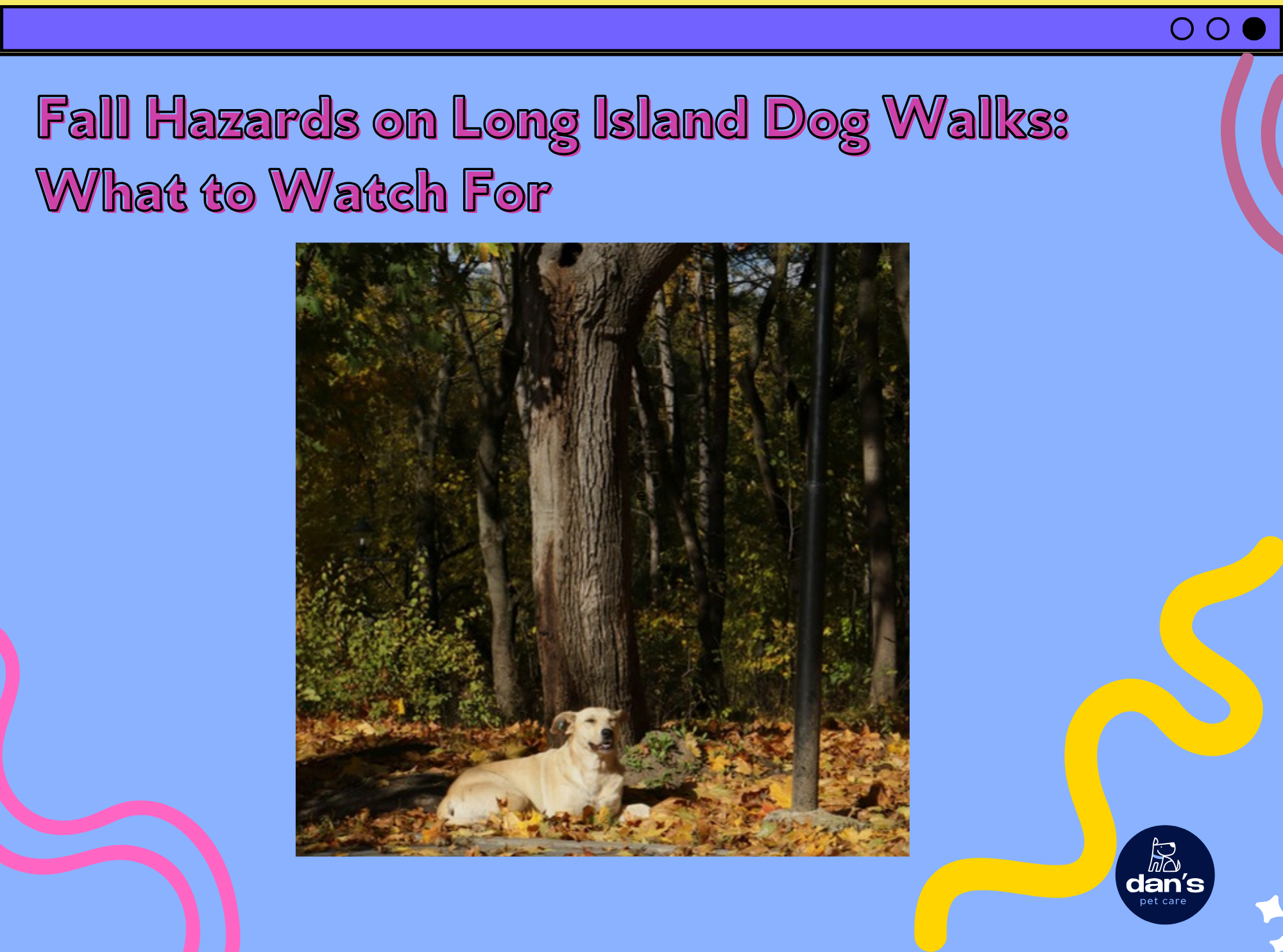
Fall on Long Island is one of the best times of year for a dog walk. The air cools off, the light turns gold in the afternoons, and dogs who spent August panting through humidity suddenly have some pep back in their step. It's easy to let your guard down on a pretty October morning.
But autumn brings its own set of hazards that a lot of owners don't think about until their dog gets into something they shouldn't have. A little awareness goes a long way toward keeping your daily walks both enjoyable and safe.
Wild Mushrooms Are Popping Up Everywhere
Cooler, damper fall weather is prime mushroom season, and Long Island yards, parks, and wooded trails are full of them after a rain. Some mushrooms are harmless, but others can cause anything from an upset stomach to serious illness, and telling them apart isn't something most of us can do on a walk.
The safest approach is to treat every mushroom as a hazard and steer your dog away rather than trying to identify it. If your dog does manage to eat one before you can stop them, call your vet or an animal poison control line right away rather than waiting to see what happens.
Fallen Leaves Hide More Than You Think
A crunchy leaf pile is fun for dogs to dig through, but leaf litter also hides sharp sticks, broken glass, mushrooms, and mold that can upset a sensitive stomach. Wet, decomposing leaves in particular can grow mold that bothers some dogs more than others.
It's not a reason to avoid leaf piles entirely, most dogs romp through them with no issue at all, but it's worth keeping an eye on what your dog is actually sniffing and mouthing as you pass through a thick patch. For Long Island dog owners, a quick glance before your dog dives in is an easy habit to build.
Acorns and Other Fall Nuts
Long Island has no shortage of oak trees, and by October the sidewalks and yards are covered in acorns. Dogs who like to chew or snack on things they find outside can end up with an upset stomach from eating acorns, and in larger quantities they can cause more serious blockages, especially in smaller dogs.
Acorns can also be a choking hazard depending on your dog's size and habits. If your dog tends to pick things up on walks, keeping a closer eye near oak trees during acorn season is a simple precaution.
Rodenticides Increase This Time of Year
As temperatures drop, rodents look for warmth, and a lot of homes and businesses put out rodenticide to keep mice and rats from moving in. These products are extremely dangerous to dogs if ingested, and they're not always placed somewhere obvious.
Keep an eye out near garages, sheds, and the edges of properties where these products tend to show up. If you notice bait stations on a regular walking route, it's worth giving that area a wider berth.
Antifreeze From Winterizing Cars
Fall is when a lot of people winterize their cars, and antifreeze is highly toxic to dogs, with a smell and taste that some dogs actually find appealing. Even a small amount can be dangerous, so it's worth being cautious around driveways and parking areas where a leak or spill might have happened.
If you notice a colorful puddle under a parked car, it's best to steer your dog well clear of it rather than assuming it's harmless.
Shorter Days Mean Less Visibility
By late September, evening walks on Long Island start happening in dim light or after dark. Drivers have a harder time seeing dogs and walkers, especially on streets without sidewalks or good lighting.
A reflective leash, collar, or vest makes a real difference, and carrying a small flashlight helps you spot hazards on the ground before your dog does. For Long Island dog owners walking before work or after dinner, this is a small change that meaningfully lowers the risk of an accident.
Cooler Weather, Livelier Dogs
Dogs who were sluggish and heat-tired all summer tend to get a burst of energy once the temperature drops. That's a good thing, but it also means more pulling on the leash, more excitement around squirrels and other dogs, and generally less predictable behavior on walks than you saw in August.
Building in a little extra structure to your walks during this transition, and being ready for more enthusiasm than you're used to, helps prevent a sudden lunge from turning into a slip, fall, or dropped leash.
Seasonal Allergies Flare Up Too
Ragweed and mold spores peak in the fall, and dogs can have allergic reactions just like people do. Itchy skin, watery eyes, sneezing, and paw licking are common signs. It's often mistaken for a skin issue rather than a seasonal allergy.
If your dog seems unusually itchy or uncomfortable starting in September or October, mention the timing to your vet, since fall allergies are common enough that they're often the first thing worth ruling out.
Standing Water and Puddles
Fall rain means more standing water sitting around for days at a time, and stagnant puddles can harbor bacteria, parasites, and algae that make dogs sick if they drink from them. It's a good habit year-round, but it matters more once regular fall rain starts collecting in low spots.
Bringing along fresh water on longer walks gives your dog a better option than whatever is pooled on the sidewalk or in a yard.
Halloween Candy Is Already Showing Up
Once October gets underway, candy bowls and trick-or-treat stashes start appearing in homes all over Long Island, and chocolate along with sugar-free candy containing xylitol are both dangerous for dogs. Wrappers on the ground during a walk are also worth watching for, since dogs will happily eat the wrapper along with whatever's left inside.
Keeping an eye out near driveways and front steps in the weeks leading up to Halloween is a small thing that prevents a real emergency.
Signs of Trouble to Watch For
Most fall walks go completely fine, but it helps to know what warning signs are worth a call to your vet. Watch for:
Vomiting or diarrhea after a walk, especially the same day
Excessive drooling or pawing at the mouth
Sudden lethargy or weakness
Unusual stumbling or disorientation
Pale or discolored gums
Refusing food after normally being an eager eater
Any of these on their own might be nothing, but after a walk where your dog got into something unusual, they're worth taking seriously.
Simple Habits That Keep Fall Walks Safe
None of this means fall walks should feel stressful. A few consistent habits cover most of the risk: keeping your dog on a shorter leash near wooded areas and leaf piles, doing a quick visual scan before letting your dog explore a new patch of ground, and carrying your vet's number along with an animal poison control number in your phone.
For Long Island dog owners, building these small habits into your regular routine means you get to enjoy everything that's great about fall walking season without the surprises.
How Dan's Pet Care Can Help
Our dog walking services are built around trained, insured Pet Care Specialists who know the neighborhoods they walk in, including where to be extra cautious during mushroom season, acorn drop, and the shift to darker evenings. A consistent, attentive walker is one of the best safeguards against your dog getting into something they shouldn't.
If you'd rather your dog get their exercise somewhere more controlled during the riskiest weeks of fall, our doggy daycare and boarding gives them a safe, supervised space to play and burn off energy without the guesswork of what's hiding in the yard or on the sidewalk.
Final Thoughts
Fall is a wonderful season to be outside with your dog on Long Island, and a little extra awareness is all it takes to keep it that way. Knowing what to watch for, from mushrooms and acorns to shorter daylight hours, means you can relax and enjoy the season instead of worrying about it.
If you'd like an extra set of eyes on your dog's daily walks this season, we're here to help. Contact Dan's Pet Care today to set up a walking or daycare plan built around your dog's needs.