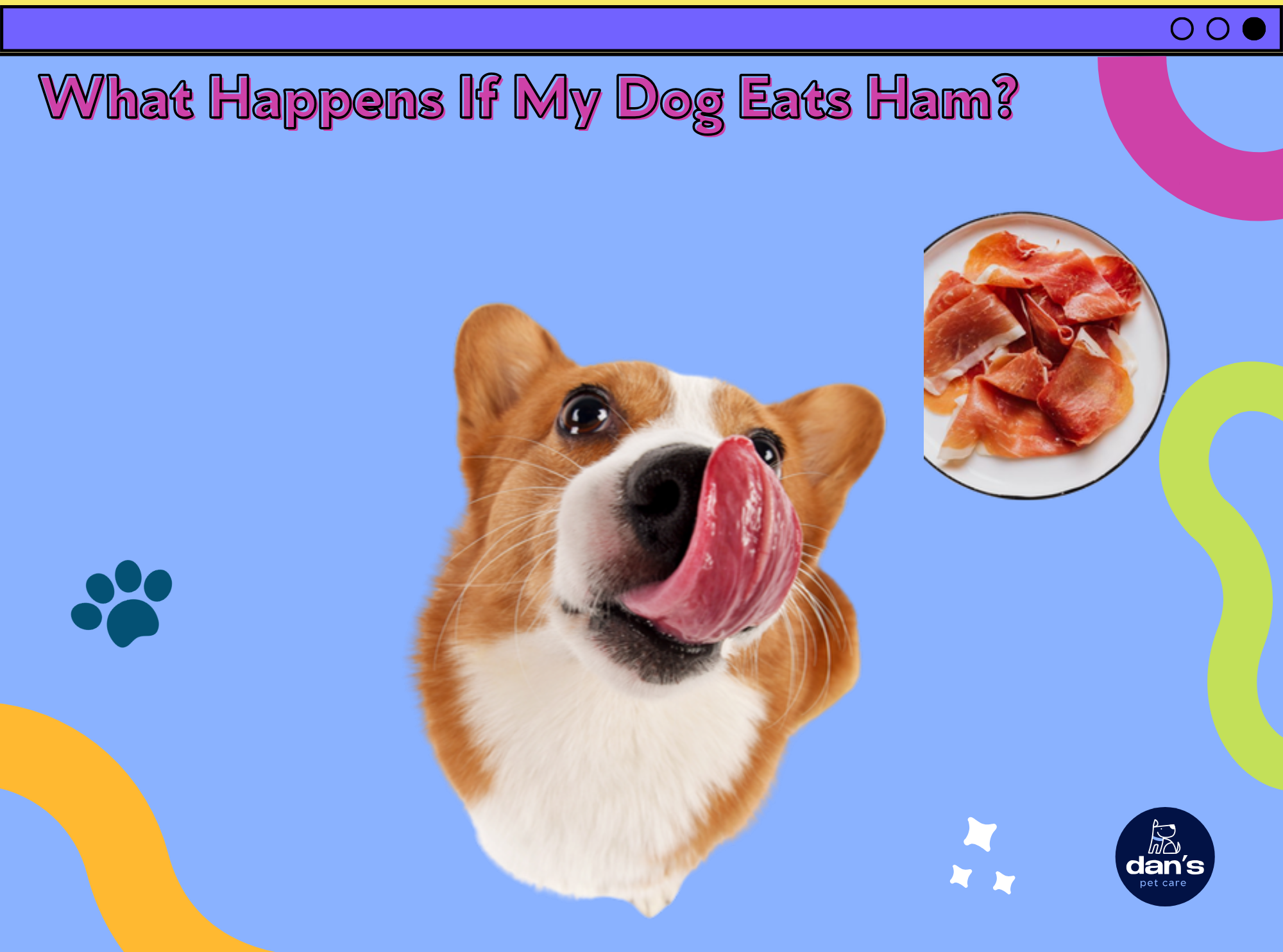
The holiday table is set, the glazed ham looks amazing, and someone with four legs and a wagging tail has decided it smells amazing too. Maybe your pup snagged a slice off a guest's plate, or maybe they went full counter surfer on the platter. Either way, you're probably wondering: can dogs eat ham, and should you be worried right now?
Take a breath. In this guide we'll walk through why ham is a poor choice for dogs, why the bone is a bigger concern than the meat, which signs to watch for afterward, and when to pick up the phone and call your veterinarian. We'll also share easy ways to keep leftovers out of reach when your house is full of guests or a pet sitter is holding down the fort.
Can Dogs Eat Ham? The Short Answer
Ham isn't on the same list of well-known toxic foods as chocolate, grapes or xylitol. But it isn't a food veterinarians recommend for dogs, and most veterinary sources suggest skipping it altogether.
The problem usually isn't the meat itself. It's everything that comes with it: a lot of salt, a lot of fat, sugary or seasoned glazes, and sometimes a big cooked bone. Those extras are what can turn a stolen snack into an upset stomach, or worse.
Every dog is different. Size, age, health history and how much ham was eaten all matter. A dog with a sensitive stomach, a history of pancreatitis, a heart or kidney condition, or a prescription diet may react very differently from a healthy adult dog. That's why we won't give you a "safe" amount. If you're unsure about your dog, your veterinarian is always the best person to ask.
If you'll be traveling this holiday season, you can learn more about our in-home pet sitting services on Long Island, where a trained Pet Care Specialist cares for your dog in the comfort of home while you're away.
Why Holiday Ham Is Hard on a Dog's Stomach
All That Salt
Ham is a cured meat, which means it's packed with sodium. Too much salt can leave a dog very thirsty and can cause vomiting or diarrhea. In larger amounts, salt can lead to a serious condition called salt poisoning (sodium toxicosis), which needs veterinary care right away. Small dogs and dogs with heart or kidney issues may be more sensitive.
Rich, Fatty Trimmings
The tastiest parts of a ham for a dog are often the fattiest: the crispy edges, the trimmed fat and the drippings in the pan. Fatty foods are a common cause of stomach upset in dogs, and they're a known trigger for pancreatitis, a painful inflammation of the pancreas that needs a veterinarian's care.
Glazes, Rubs and Holiday Sides
Many hams come with a glaze or rub. Brown sugar, honey and pineapple add sugar dogs don't need. Some rubs and sauces include garlic or onion, which are toxic to dogs. If a sugar-free glaze or dessert was on the table, check the label for xylitol, which is very dangerous for dogs, and call your vet or poison control right away if it's listed.
Ham also tends to travel with buttery sides, stuffing and gravy, so think about what else might have ended up in your pup's mouth during the excitement.
What If My Dog Ate a Ham Bone?
This is the part we want every pet parent to take seriously. Cooked bones, including ham bones, become brittle and can splinter. A bone or bone fragment can:
- Get stuck in the mouth or throat and cause choking
- Crack or break teeth
- Cut the mouth, throat or digestive tract
- Cause a blockage in the stomach or intestines
If your dog swallowed a ham bone or a large piece of one, call your veterinarian right away, even if your dog seems perfectly happy. Problems from bones don't always show up immediately. Please don't try to make your dog vomit unless a veterinarian tells you to, since bringing a sharp bone back up can cause its own injuries.
If your dog is gagging, pawing at their mouth or struggling to breathe, that's an emergency. Our guide on how to help a choking dog covers what to know, and you should head to your vet or the nearest emergency vet immediately.
Signs to Watch For After Your Dog Eats Ham
Some dogs who sneak a small bite never show a single symptom. Others don't feel so hot. Keep a close eye on your pup over the next day or two and watch for:
- Vomiting, retching or trying to vomit without bringing anything up
- Diarrhea or greasy, unusually smelly stool
- Loss of appetite or refusing favorite treats
- Drinking or peeing much more than usual
- Low energy, hiding or seeming "off"
- A hunched back, a tender belly or a "praying" stance with the front end down and back end up
- Drooling, gagging or pawing at the mouth
- Straining to poop, or not pooping at all
- Blood in the vomit or stool
- Wobbliness, tremors or seizures
Some signs can appear within hours, while others may take longer to show up. If you notice any of them, call your veterinarian. You know your dog best, so if something just feels wrong, trust that instinct.
When to Call the Vet (and Who to Call)
Call your veterinarian right away if:
- Your dog ate a ham bone or bone pieces
- Your dog ate a large amount of ham for their size, or got into the whole platter
- The ham had a glaze or rub with garlic, onion or xylitol
- Your dog has a health condition, is a senior or a young puppy, or eats a special diet
- You notice any of the signs listed above
If your dog is vomiting repeatedly, has a swollen or painful belly, collapses, has a seizure or is having trouble breathing, go to your vet or an emergency veterinary hospital immediately. For possible poisoning, you can also call the ASPCA Animal Poison Control Center at (888) 426-4435.
What to Have Ready When You Call
A little information goes a long way. Try to have these handy:
- Your dog's approximate weight and age
- What was eaten, roughly how much and about what time
- The ham packaging or a list of glaze and rub ingredients
- Any symptoms you've seen so far
- Your dog's health conditions and current medications
Please don't give your dog any food, medication or home remedy to "settle" their stomach unless your veterinarian tells you to. For a refresher on when a trip to the vet makes sense, see our post My dog is sick, when should I see a vet?
Keeping Ham Out of Reach When Guests Come Over
Holidays on Long Island mean full houses, from Christmas Eve gatherings on the North Shore to Easter dinner with the whole family. More people means more plates at nose level and more chances for a sneaky snack. A few simple habits help a lot:
- Push food back from the edge. Counters and coffee tables are prime territory for tall dogs and determined jumpers.
- Tell guests the house rule. A friendly "please don't feed the dog" before dinner saves a lot of trouble. Kids especially love to share.
- Take the bone out right away. Once the ham is carved, wrap the bone and scraps and put them in an outdoor bin with a secure lid.
- Use a lidded or latched trash can. Kitchen trash full of ham fat and foil is irresistible.
- Give your dog a cozy retreat. A quiet room with a favorite bed, water and a safe chew toy keeps them relaxed and away from the buffet.
- Watch the after-party. Leftover plates on side tables and open containers in the kitchen are where many food thefts happen.
Ham isn't the only holiday food that can cause trouble. Our guide to what Thanksgiving food is not safe for your dog covers other common table foods, and our tips for keeping your pets safe this Christmas go beyond the kitchen to decorations, plants and more.
Tips for When a Pet Sitter Is in the House
If you're heading out of town after the festivities, a little prep keeps your dog's routine ham-free:
- Clear out leftovers before you leave, or store them on a high fridge shelf in sealed containers.
- Empty the trash and take it outside so nothing tempting is waiting in the kitchen.
- Leave written feeding instructions, including exactly what your dog eats, how much and when, plus a clear "no table food" note.
- Post important numbers where they're easy to find: your regular vet, the closest emergency vet and ASPCA Animal Poison Control at (888) 426-4435.
- Note any health conditions your dog has so your sitter knows what to watch for.
At Dan's Pet Care, every Pet Care Specialist is an employee who has passed a background check, completed intensive training and is fully bonded and insured. At the end of each visit you'll get a report card with photos and notes, so you stay in the loop while you're away. If you'd like your dog to stay comfortably at home with someone you can trust, take a look at our pet sitting services for the details.
Safer Ways to Include Your Pup in the Celebration
Your dog doesn't need ham to feel like part of the family feast. Try these instead:
- A special dog treat or chew your veterinarian already approves of
- A new toy to unwrap (supervised, of course)
- A festive walk around the neighborhood before guests arrive, so your pup is calm and happy when the doorbell starts ringing
- A little extra one-on-one cuddle time once the dishes are done
Honestly, most dogs are just as thrilled with your attention as they are with anything on the table. Okay, almost as thrilled.
We're Here for Your Holiday Peace of Mind
Our founder, Dan, worked as a vet assistant at Manhasset Animal Hospital before starting Dan's Pet Care in 2009, and keeping pets safe has been at the heart of what we do ever since. We're in the peace of mind business, and that includes the holidays.
If you have questions about care for your dog this season, we'd love to hear from you. Reach out through our contact page or call or text us at (516) 551-1613. Happy holidays from all of us to you and your pup!
Frequently Asked Questions
Can dogs eat ham at all?
Ham isn't considered toxic the way chocolate or grapes are, but most veterinary sources recommend not feeding it to dogs. It's very high in salt and fat, and glazes or rubs can contain sugar, garlic, onion or even xylitol. If you have questions about your own dog, ask your veterinarian.
My dog ate a small piece of ham off a plate. Should I worry?
Many dogs who sneak a small bite don't show any symptoms, but keep a close eye on your pup over the next day or two. Watch for vomiting, diarrhea, extra thirst, low energy or a tender belly. If you notice any of these, or if your dog has a health condition, call your veterinarian.
What should I do if my dog swallowed a ham bone?
Call your veterinarian right away, even if your dog seems fine. Cooked bones can splinter and cause choking, mouth injuries or blockages that don't always show up immediately. Don't try to make your dog vomit unless your vet tells you to.
Who should I call if it's late at night or a holiday?
Contact your regular vet if they offer after-hours guidance, or go to the nearest emergency veterinary hospital. For a possible poisoning, you can also call ASPCA Animal Poison Control at (888) 426-4435. It helps to save these numbers in your phone before the holidays begin.
How can I make sure my pet sitter knows not to share holiday food?
Leave clear written feeding instructions with a simple no-table-food rule, and clear out leftovers and trash before you go. Post your vet, the closest emergency vet and the ASPCA Animal Poison Control number where they're easy to find. With Dan's Pet Care, you'll also get a report card with photos and notes at the end of each visit.