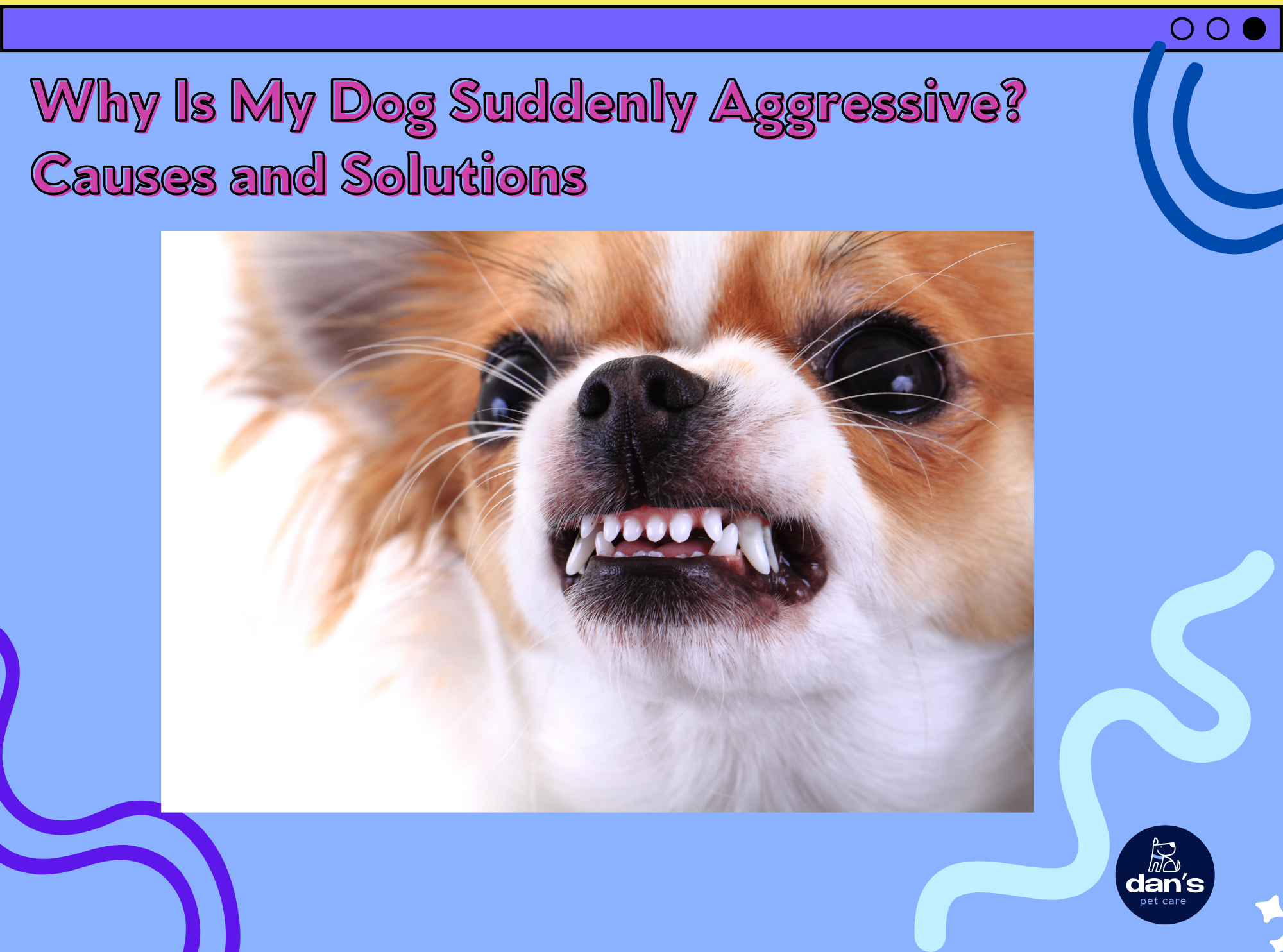
Sudden aggression in a dog can feel overwhelming and even frightening. A dog who was once calm may begin growling, snapping, lunging, or reacting in ways that seem completely out of character. The good news is that aggression rarely happens without a reason. When you understand the cause, you can begin working toward safe and lasting solutions.
If you are searching for dog aggression help in Long Island, early professional intervention can make all the difference. At Dan’s Pet Care, we specialize in behavior modification for dogs through structured private sessions designed to address root causes, not just surface behaviors.
What Does Sudden Aggression Really Look Like?
Aggression is not always a dramatic bite. Often it begins with subtle warning signs that escalate over time.
Common Signs of Aggression
Growling when approached
Snapping during handling
Lunging at other dogs on leash
Guarding food, toys, or space
Stiff body posture or intense staring
Sudden reactivity to familiar people
Recognizing these early signals allows you to seek dog aggression help before behavior becomes dangerous. A professional dog trainer Long Island families trust can evaluate these signs and identify triggers safely.
Step One: Rule Out Medical Causes
Before assuming your dog has developed a behavior problem, schedule a veterinary visit. Pain and illness are common triggers for defensive reactions.
Medical Issues That Can Trigger Aggression
Arthritis or joint pain
Dental infections
Ear infections
Hormonal imbalances
Neurological conditions
A dog who snaps when touched may simply be protecting a painful area. Addressing medical concerns first ensures that behavior modification for dogs is built on a safe and informed foundation.
Fear Based Aggression: A Common Trigger
Fear is one of the most frequent causes of sudden aggression. When dogs feel threatened, they may growl or lunge to create distance.
Fear Triggers May Include
New environments
Loud noises
Unfamiliar people
Previous negative experiences
Fear based aggression requires gradual exposure and confidence building. A dog trainer Long Island residents rely on can create structured desensitization plans that reduce anxiety while teaching calm responses.
Resource Guarding and Possessiveness
If your dog has started growling near food, toys, or resting areas, resource guarding may be the cause. This behavior often stems from insecurity rather than dominance.
Signs of Resource Guarding
Hovering over food bowls
Snapping when approached during meals
Protecting toys or beds
Guarding a specific person
Punishment typically increases anxiety. Professional dog aggression help focuses on reshaping emotional associations and reinforcing trust.
Environmental Stress and Life Changes
Major changes can trigger behavioral shifts. Dogs depend on predictable routines for emotional stability.
Common Stress Related Triggers
Moving to a new home
New baby or pet in the household
Changes in work schedules
Increased noise or construction
When routine changes abruptly, anxiety may surface as aggression. Structured behavior modification for dogs restores clarity and consistency.
Lack of Socialization
Dogs who did not receive sufficient early exposure to people and environments may struggle later in life. As they mature, tolerance for unfamiliar situations can decrease.
Socialization Deficits May Lead To
Leash reactivity
Stranger sensitivity
Defensive behavior toward other dogs
Private sessions with a dog trainer Long Island families trust can safely reintroduce social exposure at a controlled pace.
Frustration and Barrier Reactivity
Not all aggressive looking behavior is rooted in fear. Some dogs become reactive because they are frustrated by restraints such as leashes or fences.
Signs of Barrier Frustration
Barking at dogs through fences
Lunging on leash during walks
Overarousal near windows
Impulse control training and structured leash work reduce frustration and build calmer responses.
The Importance of Professional Intervention
Aggression can escalate if handled incorrectly. Attempting to manage serious issues without guidance may increase risk.
Professional dog aggression help includes:
Comprehensive behavioral assessment
Identification of triggers
Structured desensitization plans
Clear communication coaching for owners
Dan’s Pet Care provides customized private training sessions throughout Long Island. Learn more about them.
What to Expect from Private Training
Private sessions begin with a detailed consultation. Your trainer will evaluate behavior patterns and design a personalized plan.
Training Components Often Include
Controlled exposure exercises
Confidence building activities
Impulse control training
Clear handler communication strategies
Homework assignments between sessions
Behavior modification for dogs requires consistency and professional oversight to ensure safe progress.
Immediate Safety and Management Strategies
While working through aggression, management prevents setbacks.
Short Term Safety Measures
Avoid known triggers
Use barriers to create space
Supervise interactions carefully
Keep routines predictable
Manage high value items responsibly
These strategies reduce risk while long term training takes effect.
Long Term Behavior Transformation
Aggression rarely resolves overnight. Sustainable improvement comes from emotional change, not punishment. With structured guidance, dogs learn healthier coping strategies and rebuild trust.
A qualified dog trainer Long Island pet owners rely on will help you track progress, adjust techniques, and celebrate milestones along the way.
Take Action Before Behavior Escalates
Sudden aggression is a signal that something in your dog’s world has changed. Whether the cause is medical, emotional, or environmental, early intervention improves outcomes.
Dan’s Pet Care specializes in behavior modification for dogs across Long Island, offering compassionate and professional dog aggression help through private sessions. If your dog’s behavior has shifted, do not wait. Contact our team today at Dans Pet Care and take the first step toward restoring safety and confidence in your home.