Dental care is one of the most overlooked parts of dog ownership, yet it has a huge impact on your dog’s health and comfort. Many dogs suffer from dental problems that go unnoticed until they become painful. The good news is that with a little regular care, you can keep your dog’s mouth healthy and prevent most issues.
Healthy teeth and gums do more than freshen your dog’s breath. They protect your dog from pain, infection, and even problems that affect the whole body. In this guide, we will walk Long Island dog owners through simple, effective ways to care for your dog’s teeth and keep that smile healthy for years.
Why Dental Health Matters
Your dog’s dental health affects far more than their mouth. Dental disease is one of the most common health problems in dogs, and it can cause real pain that your dog may hide. Left untreated, it can lead to tooth loss, infection, and difficulty eating, all of which affect your dog’s quality of life.
Because dogs are so good at masking discomfort, dental problems often progress silently. That is why prevention and regular care are so important. Caring for your dog’s teeth is a meaningful part of caring for their overall wellbeing. For Long Island dog owners, making dental health a priority helps your dog stay comfortable, happy, and healthy throughout their life.
How Common Are Dental Problems
Dental disease is remarkably common in dogs, and many pets show signs of it by the time they reach middle age. Plaque and tartar build up over time, and without regular care, this leads to gum inflammation and dental disease. Small breeds are often especially prone to dental issues.
The reality is that most dogs need some form of dental care to stay healthy, yet it is frequently overlooked. Understanding how common these problems are helps owners take them seriously before they become severe. For Long Island dog owners, recognizing that dental care is a normal, necessary part of pet ownership is the first step toward protecting your dog’s health.
Signs of Dental Problems
Because dogs hide discomfort, it helps to know the warning signs of dental trouble. Catching these signs early allows you to seek care before problems become painful or serious.
• Persistent bad breath
• Yellow or brown tartar on the teeth
• Red, swollen, or bleeding gums
• Difficulty eating or dropping food
• Pawing at the mouth or face
• Excessive drooling or loose teeth
If you notice any of these signs, it is worth a visit to your Long Island veterinarian. Early attention often prevents more serious problems and keeps your dog comfortable and pain free.
The Link Between Dental Health and Overall Health
Dental health is connected to your dog’s overall health in important ways. When dental disease is present, harmful bacteria can build up in the mouth and affect the whole body over time. This is why keeping your dog’s mouth healthy supports more than just their teeth and gums.
Maintaining good dental care helps protect your dog’s general wellbeing and can contribute to a longer, healthier life. It is one more reason to make dental care a regular part of your routine rather than an afterthought. For Long Island dog owners, understanding this connection highlights just how valuable simple, consistent dental care truly is.
Brushing Your Dog’s Teeth
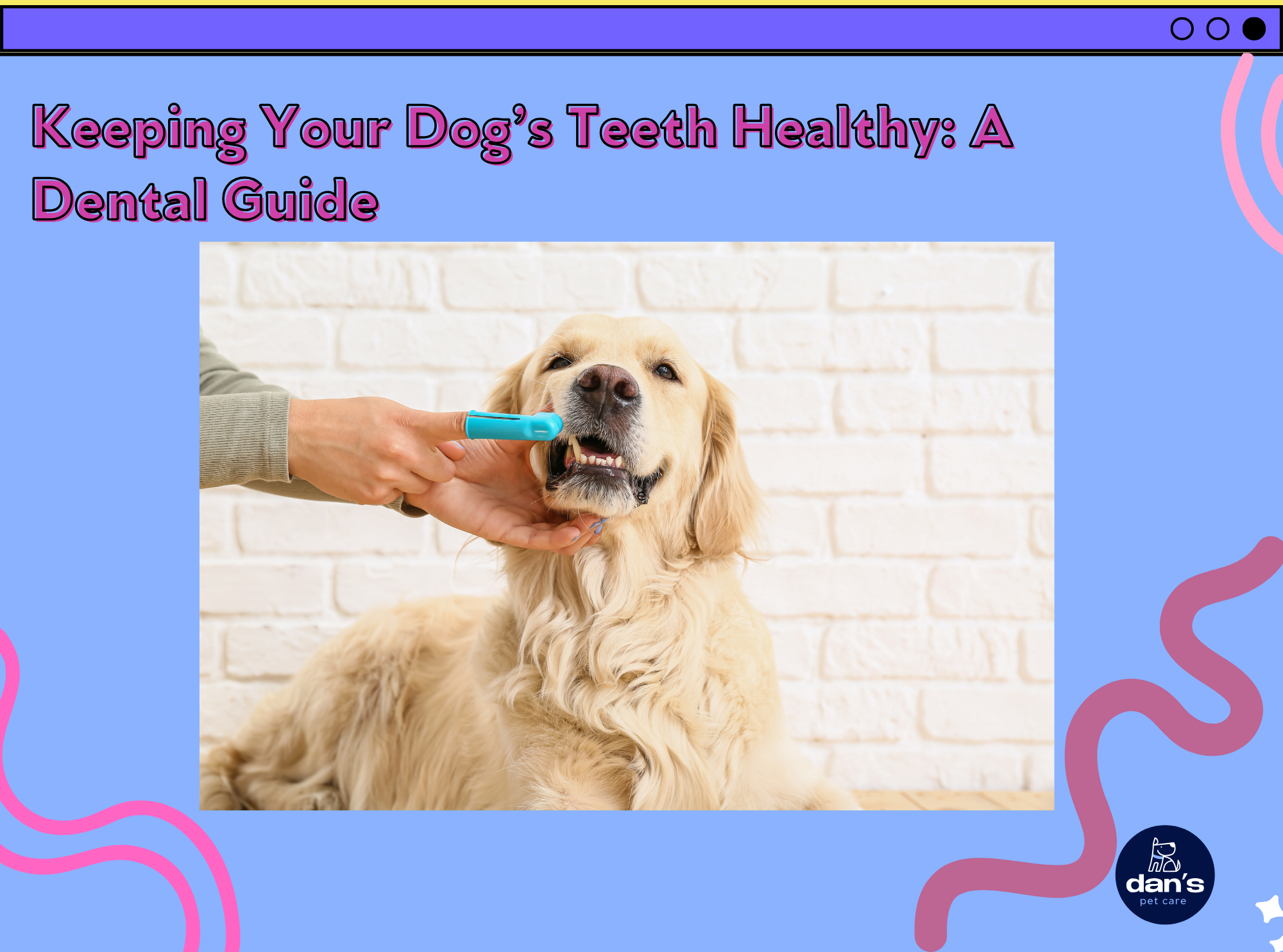
Brushing your dog’s teeth is the single most effective thing you can do at home for their dental health. Regular brushing removes plaque before it hardens into tartar. Ideally, aim to brush your dog’s teeth daily, though even a few times a week makes a real difference.
Use a toothbrush designed for dogs and toothpaste made specifically for pets, never human toothpaste, which can be harmful. Start slowly, letting your dog get used to the process over time. Focus on the outer surfaces of the teeth, where plaque builds up most. For Long Island dog owners, a consistent brushing habit is the foundation of good canine dental care.
Choosing the Right Toothbrush and Toothpaste
Using the right tools makes brushing easier and more effective. Dog toothbrushes come in several styles, including long handled brushes and finger brushes that slip over your fingertip. Choose whichever type feels most comfortable for you and your dog, and pick a size suited to your dog’s mouth.
Always use toothpaste made for dogs, since human toothpaste contains ingredients that are not safe for pets. Dog toothpaste comes in flavors dogs enjoy, which makes the whole experience more pleasant. Having the right supplies sets you up for success. For Long Island dog owners, a good dog toothbrush and pet safe toothpaste are simple, worthwhile investments in your dog’s health.
Making Brushing a Positive Experience
The key to successful tooth brushing is making it a positive experience your dog accepts and even enjoys. Rushing or forcing the process can make your dog resistant, so patience is essential. Start by letting your dog taste the toothpaste and get comfortable with you touching their mouth.
Gradually work up to brushing a few teeth at a time, offering praise and rewards along the way. Keep sessions short and calm, and end on a positive note. Over time, most dogs learn to tolerate or even look forward to brushing. For Long Island dog owners, a gentle, patient approach turns dental care into a stress free part of your routine.
Dental Chews and Toys
Dental chews and toys can be a helpful addition to your dog’s dental care routine. Chewing naturally helps reduce plaque, and dental chews are designed to support cleaner teeth while giving your dog something enjoyable to do. They are a nice complement to brushing, though not a replacement for it.
Choose appropriate, safe chews and toys sized for your dog, and always supervise chewing. Look for products designed with dental benefits in mind. While chews help, brushing remains the gold standard for home care. For Long Island dog owners, combining brushing with appropriate dental chews and toys gives your dog extra support for a healthy, clean mouth.
Dental Diets and Water Additives
Beyond brushing and chews, some dogs benefit from dental diets or water additives designed to support oral health. Certain foods are formulated to help reduce plaque and tartar as your dog eats, and water additives can help freshen breath and support cleaner teeth.
These options work best as part of a complete dental care routine rather than on their own. Your veterinarian can recommend products suited to your dog’s needs. It is always wise to check with your vet before adding new products to your dog’s routine. For Long Island dog owners, these tools can offer helpful extra support alongside regular brushing and professional care.
Professional Dental Cleanings
Even with great home care, most dogs benefit from professional dental cleanings performed by a veterinarian. These cleanings remove tartar buildup that brushing cannot reach, including below the gum line, and allow your vet to examine your dog’s mouth thoroughly for any problems.
Your veterinarian can advise how often your individual dog needs a professional cleaning based on their teeth, breed, and health. Professional cleanings are an important complement to your at home efforts. Together, they keep your dog’s mouth in the best possible shape. For Long Island dog owners, partnering with your vet for regular dental checkups and cleanings is a key part of complete dental care.
Starting Dental Care Early
The best time to start dental care is when your dog is young. Introducing tooth brushing and mouth handling early helps your dog grow comfortable with the routine, making lifelong dental care much easier. Puppies who get used to having their mouths touched tend to accept brushing more readily as adults.
Even if your dog is older, it is never too late to begin. Start slowly and build up gradually, no matter your dog’s age. Early, positive experiences set the stage for a lifetime of good dental habits. For Long Island dog owners, beginning dental care early and keeping it consistent is one of the best gifts you can give your dog’s long term health.
Dental Care for Senior Dogs
Senior dogs often need extra attention to their dental health, since years of wear can take a toll. Older dogs are more likely to have dental disease, and untreated problems can affect their comfort and ability to eat. Gentle, consistent care helps keep senior dogs comfortable.
Continue brushing gently, and stay alert for signs of dental trouble in your older dog. Regular veterinary checkups are especially important for seniors, so your vet can catch and address issues early. Keeping your senior dog’s mouth healthy supports their overall wellbeing. For Long Island dog owners, attentive dental care helps your older companion stay comfortable and enjoy their golden years.
Common Dental Care Mistakes
A few common mistakes can undermine your dog’s dental health. Avoiding these helps ensure your efforts truly protect your dog’s teeth and gums.
• Using human toothpaste, which can be harmful to dogs
• Waiting until problems are severe before acting
• Brushing only occasionally instead of regularly
• Relying on chews alone without brushing
• Skipping professional cleanings and checkups
Steering clear of these pitfalls keeps your dog’s dental care on track. Consistent home care combined with veterinary support is the winning formula. For Long Island dog owners, a little diligence goes a long way toward a healthy, pain free mouth.
When to See Your Veterinarian
While home care prevents many problems, some situations call for professional attention. If you notice signs of dental trouble like persistent bad breath, bleeding gums, loose teeth, or difficulty eating, it is time to see your veterinarian. These signs can indicate dental disease that needs treatment.
Regular veterinary checkups also allow your vet to examine your dog’s mouth and recommend cleanings as needed. Do not wait for problems to become severe, since early care is easier and more comfortable for your dog. For Long Island dog owners, working closely with your veterinarian ensures dental issues are caught and treated before they cause lasting harm.
Building a Simple Dental Routine
The best dental care is the kind you can stick with, so building a simple, consistent routine is key. Aim to brush your dog’s teeth regularly, offer appropriate dental chews, and keep up with veterinary checkups and cleanings. A manageable routine is far more effective than occasional bursts of effort.
Fit dental care into your daily rhythm so it becomes a natural habit, like brushing at the same time each day. Consistency is what protects your dog’s teeth over the long term. For Long Island dog owners, a straightforward, steady dental routine keeps your dog’s mouth healthy and prevents most problems before they start.
How Dan’s Pet Care Can Help
While dental care happens at home and the vet, Dan’s Pet Care supports your dog’s overall health every day. Our dog walking services are handled by trained, insured Pet Care Specialists who pay attention to your dog’s wellbeing and can flag changes, like bad breath or trouble eating, that may need your vet’s attention.
We help keep your dog active, comfortable, and cared for while you are busy, and we are always watching out for their health. Consider us a partner in keeping your Long Island dog happy and well, inside and out.
Final Thoughts
Your dog’s dental health is a vital part of their overall wellbeing, and it is easier to protect than many owners realize. With regular brushing, appropriate chews, and routine veterinary care, you can prevent most dental problems and keep your dog comfortable. A healthy mouth means a happier, healthier dog here on Long Island.
Want a care partner who looks out for your dog’s wellbeing? Contact Dan’s Pet Care today to set up dependable walks and attentive care for your dog.