
For centuries, humans have wondered how dogs see the world. We know they love us, follow us, and rely on us, but how do dogs actually perceive humans? Recent scientific research has shed light on how dogs understand their owners on both a cognitive and social level.
Do You Speak Cat? Understanding Feline Body Language and Vocalizations
Cats are often misunderstood as mysterious or aloof, but in truth, they are constantly communicating with us. The key is knowing how to read their body language and vocalizations. From tail flicks to purring, cats use a wide range of non-verbal cues to express everything from affection to discomfort.
The Scary Truth About Cats and Chicken Bones
Why Can’t My Cat Meow? 9 Vet-Verified Causes & When to Worry
Cats and Laser Pointers: Is the Red Dot Fun or Frustrating??
How to Train a Cat to Use a Harness and Go on Outdoor Adventures
Can Cats Get Depressed? Understanding Feline Mental Health
Raw Diets for Cats: Pros, Cons, and What Vets Really Think
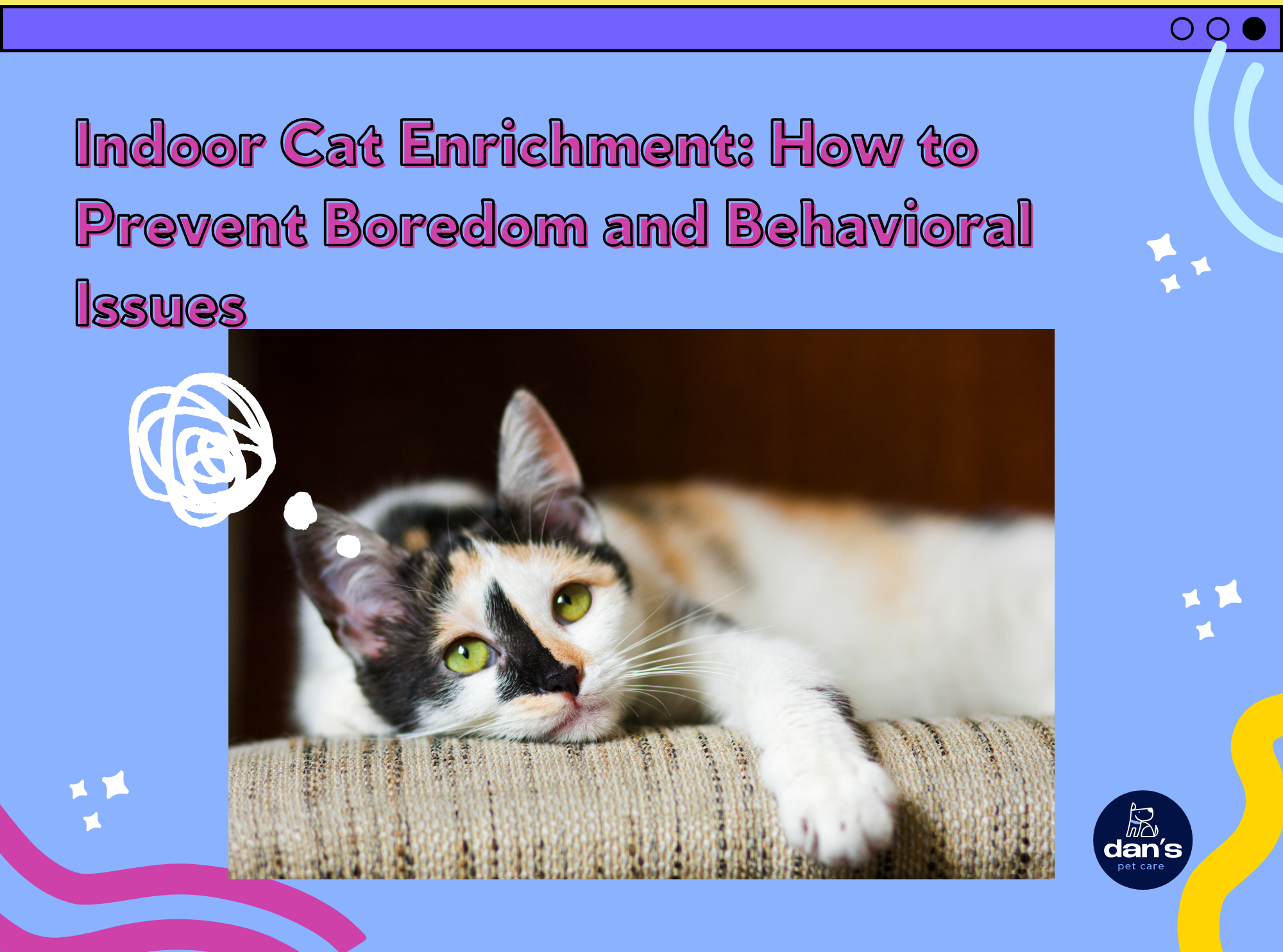
Indoor Cat Enrichment: How to Prevent Boredom and Behavioral Issues
Indoor cats are safer from outdoor hazards like traffic, predators, and diseases, but their protected environment can come with a hidden downside—boredom. Without the stimulation that comes from hunting, exploring, and climbing outdoors, cats may develop behavioral issues such as aggression, overgrooming, or depression.
Why Does My Cat Knead? The Science Behind the 'Biscuit Making'
Long Island Cat Events You Don’t Want to Miss This Year 2025
Cat-Proofing Your Home: Safety Tips for Curious Kittens and Cats
Purr-fect Pet Sitting: How to Ensure Your Cat Feels Loved When You’re Not Home
Cats may be independent, but they still crave love, attention, and routine. Leaving them alone for extended periods can lead to stress, boredom, and behavioral changes. While automatic feeders and litter boxes help with the basics, they don’t replace human interaction. That’s where professional cat sitting becomes essential.