
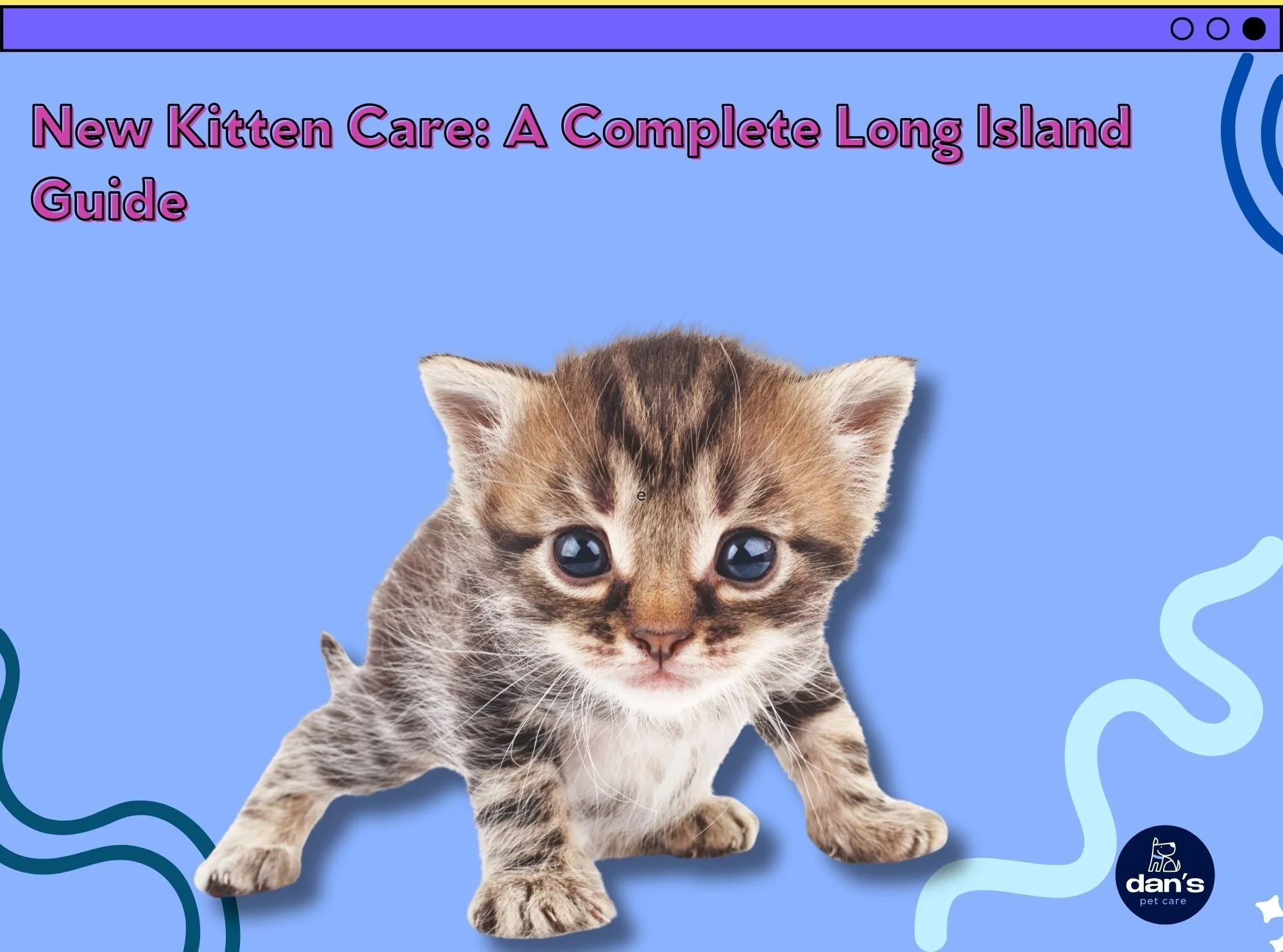
Welcoming a new kitten into your home is an exciting, heartwarming experience. Those tiny paws and playful antics bring so much joy. At the same time, kittens are delicate and dependent, and giving them the right start sets the foundation for a healthy, happy life. A little preparation makes all the difference.
From setting up a safe space to feeding, socializing, and vet care, there is a lot to know as a new kitten parent. In this guide, we will walk Long Island families through everything you need to care for your new kitten and help them grow into a confident, well adjusted cat.
Preparing Your Home for a Kitten
Before your kitten arrives, prepare your home so everything is ready for their homecoming. Kittens are curious and tiny, so a bit of planning keeps them safe and helps them settle in. Decide where your kitten will eat, sleep, and find their litter box, and set up these areas in advance.
Creating a calm, welcoming environment reduces stress for your new arrival. Having supplies ready and a safe space prepared means you can focus on bonding rather than scrambling. A thoughtful setup gives your Long Island kitten a gentle, reassuring introduction to their new home and helps them feel secure from the very first day.
Kitten Supplies Checklist
Gathering the right supplies before your kitten comes home makes those first days much smoother. Having everything on hand lets you focus on your new companion.
• A litter box with low sides and kitten safe litter
• Food and water bowls, plus quality kitten food
• A cozy bed and safe hiding spots
• Interactive toys and a scratching post
• A carrier for vet visits and travel
• Grooming tools like a soft brush
With these essentials ready, you will be prepared to care for your kitten comfortably from day one. For Long Island families, a little advance shopping means a calmer, happier start with your new kitten.
Kitten Proofing Your Space
Kittens are curious explorers who love to investigate everything, so kitten proofing is essential for their safety. Get down to their level and look for hazards a tiny, adventurous kitten might find. Removing dangers before your kitten arrives prevents accidents.
• Secure electrical cords and blind cords
• Remove small objects that could be swallowed
• Store cleaning products and medications safely
• Move toxic plants out of reach
• Block off gaps where a kitten could get stuck
A thorough kitten proofing sweep keeps your curious new friend safe as they explore. For Long Island families, this simple step provides peace of mind while your kitten discovers their new world.
The First Day Home
Your kitten’s first day in a new home can feel overwhelming for such a small creature. Keep things calm and quiet to help them adjust. Rather than giving your kitten free run of the house, start them in a single, secure room where they can feel safe.
Let your kitten explore at their own pace, and offer gentle reassurance without overwhelming them. Resist the urge to invite everyone over to meet the new arrival right away. Give your kitten time to settle and rest, since they tire easily. A peaceful first day helps your Long Island kitten feel safe and begins building trust with you.
Setting Up a Safe Room
A safe room is one of the best ways to help a new kitten adjust. This is a single, quiet room where your kitten can settle in without the pressure of exploring your entire home at once. Include food, water, a litter box, a bed, toys, and hiding spots.
The safe room gives your kitten a secure home base and makes early litter box success more likely. Spend calm, quiet time with your kitten here to build trust. Once your kitten seems comfortable and confident, you can gradually expand their access to the rest of the house. For Long Island families, a safe room eases the transition and reduces stress.
Feeding Your Kitten
Proper nutrition is critical during your kitten’s rapid growth. Choose a high quality food formulated specifically for kittens, which provides the extra calories and nutrients they need to develop. Kittens have small stomachs and high energy needs, so they require frequent meals throughout the day.
Follow the feeding guidelines as a starting point, and keep fresh water available at all times. Avoid feeding your kitten cow’s milk, which can upset their stomach. Your Long Island veterinarian can recommend the right food and feeding schedule for your kitten’s age and needs. Establishing healthy eating habits now supports strong growth and a lifetime of good nutrition.
Litter Training Your Kitten
Litter training is usually easy with kittens, since the instinct to use litter comes naturally. Provide a low sided box that a small kitten can easily climb into, and place it in a quiet, accessible spot. After meals and naps, gently place your kitten in the box to encourage them.
Most kittens learn quickly with a little guidance. Keep the box clean and be patient with any accidents, and never punish your kitten for mistakes. Positive, gentle encouragement works best. With a suitable box and consistency, your kitten will develop good habits fast. For Long Island families, starting litter training right sets the stage for lifelong cleanliness.
Socializing Your Kitten
The early weeks are a crucial time for socialization, shaping how confident and friendly your kitten becomes. Gently expose your kitten to new people, gentle handling, everyday sounds, and positive experiences during this window. Well socialized kittens grow into relaxed, sociable adult cats.
Keep every experience positive and never force interactions. Let your kitten explore and approach new things at their own pace, rewarding calm curiosity. Introduce them to different people and gentle, respectful children. This early positive exposure pays off for years. For Long Island families, investing in socialization now helps your kitten become a confident, affectionate companion who feels at ease in your busy household.
Playtime and Enrichment
Play is essential for kittens, supporting their physical development, coordination, and mental stimulation. Kittens have boundless energy and a strong drive to stalk, chase, and pounce. Providing plenty of interactive play satisfies these instincts and helps your kitten burn off energy in healthy ways.
Use wand toys and toys that mimic prey, and let your kitten catch them sometimes to make play rewarding. Avoid using your hands as toys, which can encourage biting. Rotate toys to keep things interesting. Regular play also strengthens your bond. For Long Island families, daily play sessions are a wonderful way to keep your kitten happy, healthy, and well exercised.
Handling and Building Trust
Gentle handling helps your kitten grow comfortable with human touch, which makes grooming, vet visits, and everyday care much easier. Handle your kitten softly and often, touching their paws, ears, and mouth while offering praise so they learn that handling is pleasant.
Let your kitten come to you and avoid forcing interactions, since trust is built gradually. Speak softly and move calmly around your new kitten. Over time, your kitten will learn that you are a source of safety and affection. For Long Island families, patient, gentle handling in these early weeks builds a trusting relationship that lasts a lifetime.
Choosing a Veterinarian on Long Island
Finding a trusted veterinarian is one of your first priorities as a new kitten parent. A good vet becomes a lifelong partner in your kitten’s health. Ask fellow cat owners for recommendations and look for a practice convenient to your Long Island home.
Schedule your kitten’s first checkup soon after they arrive. Your vet will assess your kitten’s health, begin their vaccination schedule, and discuss parasite prevention, nutrition, and spaying or neutering. Building this relationship early gives you a reliable resource for questions and care. For Long Island families, establishing veterinary care promptly protects your kitten’s health from the very beginning.
Vaccinations and Health
Keeping your kitten healthy starts with a solid veterinary plan. Kittens need a series of vaccinations during their first months to protect them from serious diseases, along with parasite prevention and regular checkups. Staying on schedule is essential for your kitten’s wellbeing.
Watch for signs that something may be wrong, such as changes in appetite, energy, or litter box habits, and contact your vet with any concerns. Your Long Island veterinarian will guide you through the recommended timeline for vaccines and preventive care. Proactive health management during kittenhood lays the groundwork for a long, healthy, happy life with your cat.
Introducing Your Kitten to Other Pets
If you have other pets, introductions should be gradual and carefully managed. Rushing can create fear and conflict, so patience is key. Start by keeping your kitten in their safe room and letting your pets become familiar with each other’s scent under the door.
Progress to brief, supervised visual introductions, then short face to face meetings, always watching body language and keeping things calm. Reward relaxed behavior and never force interactions. Give the process the time it needs, since a good first impression matters. For Long Island families, a slow, thoughtful introduction helps your kitten and existing pets build a peaceful, lasting relationship.
Common Kitten Challenges
Even the most prepared kitten parents encounter challenges. Play biting, scratching, nighttime energy, and curiosity that leads to mischief are all normal parts of kittenhood. Understanding that these behaviors are typical helps you respond with patience and gentle guidance.
• Play biting and scratching, redirected to appropriate toys
• Nighttime zoomies as energy peaks
• Climbing and exploring everything in sight
• Testing boundaries as they grow
Most of these challenges fade with consistency, play, and time. Providing enough enrichment and gentle guidance helps. For Long Island families, knowing what to expect makes the kitten stage more enjoyable and less stressful.
Care While You Work or Travel
Kittens need frequent feeding, play, and companionship, and they should not be left alone for long stretches. For Long Island families who work outside the home, arranging care during the day is important, especially in the early months when kittens are most vulnerable and dependent.
A professional visit provides feeding, fresh water, litter box cleaning, play, and companionship while you are away. This keeps your kitten’s routine consistent and ensures they are safe and cared for. It also gives you peace of mind. For Long Island families, reliable kitten care support helps your new companion thrive even when life gets busy.
Grooming Your Kitten Early
Introducing grooming early helps your kitten grow comfortable with being handled and cared for. Gently brush your kitten, even if their coat does not require much maintenance yet, so they learn that grooming is a positive experience. Pair grooming with treats and praise to build good associations from the start.
Early, gentle handling of the paws, ears, and mouth also prepares your kitten for nail trims, ear cleaning, and dental care later in life. Keep sessions short and pleasant, respecting your kitten’s comfort. Starting these habits now makes future grooming and vet visits far easier. For Long Island families, early grooming sets your kitten up to be a cooperative, well cared for adult cat.
Kitten Sleep and Rest
Kittens spend a lot of time sleeping, and this rest is essential for their growth and development. A young kitten may sleep many hours a day, waking for bursts of energetic play before crashing again. Providing a warm, comfortable, quiet place to rest supports your kitten’s healthy development.
Avoid disturbing your kitten while they sleep, and resist the urge to play with them constantly, since they need downtime to recharge. An overtired kitten can become cranky and nippy. Establishing a calm environment for rest helps your kitten thrive. For Long Island families, respecting your kitten’s substantial sleep needs is an important part of caring for a healthy, happy young cat.
Spaying and Neutering
Spaying or neutering is an important part of responsible kitten care. Beyond preventing unwanted litters, these procedures offer health and behavioral benefits, including reducing certain health risks and unwanted behaviors like spraying and roaming. Your veterinarian can advise on the right timing for your individual kitten.
Discuss spaying or neutering with your Long Island veterinarian during your kitten’s early checkups, so you can plan ahead. Your vet will explain the procedure, recovery, and benefits, and help you choose the best time. Making this decision thoughtfully supports your kitten’s long term health. For Long Island families, spaying or neutering is a standard, responsible step in giving your kitten a healthy start.
Growing Up: What to Expect
Kittens grow quickly, and understanding what to expect helps you support them through each stage. During the first months, your kitten will be highly playful, curious, and full of energy as they develop coordination and social skills. This is a key window for training, socialization, and building good habits.
As your kitten matures, their energy may settle somewhat, though many young cats remain playful for a long time. Continue providing enrichment, play, and consistent care as they grow. Regular vet visits support healthy development. For Long Island families, knowing what to expect as your kitten grows helps you meet their changing needs and enjoy every stage of their journey to adulthood.
Keeping Your Kitten Safe
Kitten safety is an ongoing priority as your curious little explorer grows. Beyond initial kitten proofing, continue watching for hazards as your kitten becomes more adventurous and gains access to more of your home. Kittens can squeeze into small spaces and get into things you might not expect.
Keep dangerous items secured, supervise access to new areas, and be mindful of open windows, doors, and appliances. Ensure your kitten wears identification and consider microchipping for extra security. Ongoing vigilance keeps your growing kitten safe from common household dangers. For Long Island families, maintaining a safe environment gives your kitten the freedom to explore while protecting them from harm.
How Dan’s Pet Care Can Help
Dan’s Pet Care helps Long Island families care for their new kittens with reliable in-home cat visits that include feeding, fresh water, litter box cleaning, gentle play, and companionship throughout the day.
Our trained, insured Pet Care Specialists understand the needs of young kittens and provide the attentive, gentle care they require. We keep your kitten’s routine consistent and their environment safe, giving you confidence that your tiny new family member is in caring, capable hands while you are away.
Final Thoughts
Raising a kitten is a joyful journey, and giving them the right start makes all the difference. With a safe space, proper nutrition, gentle socialization, and attentive care, you can help your kitten grow into a confident, loving cat. Enjoy every playful moment with your new companion here on Long Island.
Need a hand caring for your new kitten? Contact Dan’s Pet Care today to arrange in-home visits tailored to your kitten’s needs.