
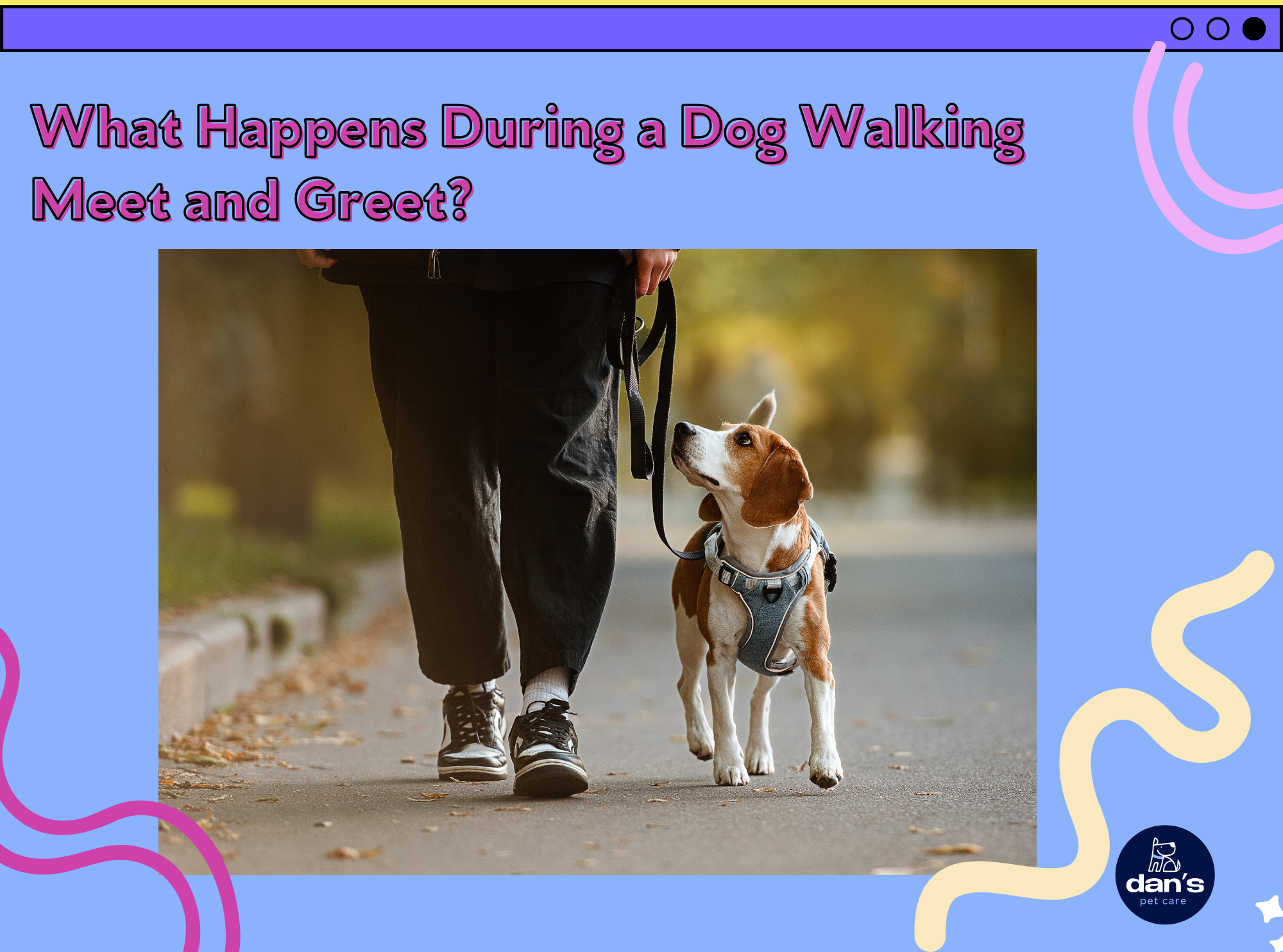
Booking a dog walker is a big decision. You are trusting someone with your dog, your home access, and an important part of your pet’s daily routine. That is why a dog walking meet and greet is so valuable. It gives you, your dog, and your dog walker a chance to get comfortable before walks begin.
For Long Island pet parents, a meet and greet helps answer important questions. Will your dog like the walker? Can the walker follow your routine? Are there leash habits, triggers, health needs, or home details that should be discussed before the first visit?
At Dan’s Pet Care, we see the meet and greet as the foundation for safe, reliable, and personalized dog walking. It is not just a quick hello. It is a chance to understand your dog, your expectations, and the best way to care for your pup.
Why a Dog Walking Meet and Greet Matters
A dog walking meet and greet helps create trust before service begins. Dogs are individuals, and every household has a different routine. Some dogs are excited to meet new people, while others need patience, space, and a slower introduction.
This meeting allows the walker to learn how your dog behaves at home, on leash, around strangers, and near other dogs. It also gives you time to explain your dog’s schedule, walking route, feeding details, safety rules, and any special needs.
For many Long Island families, the meet and greet also provides peace of mind. You can ask questions, share concerns, and see how your dog responds to the person who may be walking them. A good introduction helps prevent confusion later and sets everyone up for a smoother first walk.
What Is a Dog Walking Meet and Greet?
A dog walking meet and greet is a first meeting between you, your dog, and the pet care provider. It usually takes place at your home because that is where your dog feels most familiar and where the walker will often begin future visits.
During the meeting, the walker gets to know your dog’s personality, routine, leash setup, home access instructions, and walking preferences. You can also discuss scheduling, communication, emergency procedures, and anything that makes your dog unique.
The goal is not to rush your dog into instant friendship. The goal is to create a safe and informed starting point. A confident dog may greet the walker right away. A shy dog may observe from a distance. Both responses are normal. A professional walker should respect your dog’s pace and use the meeting to learn how to support them.
Step 1: Meeting You and Your Dog
The first part of the meet and greet is usually a simple introduction. Your dog walker will meet you, greet your dog calmly, and observe how your dog responds. Some dogs approach with wagging tails and excitement. Others bark, hide, jump, sniff carefully, or stay close to their owner.
This first impression gives the walker important information. It helps them understand your dog’s confidence level, social style, and comfort with new people entering the home. A professional walker should not force interaction. They should let your dog approach in a way that feels safe.
You can help by sharing how your dog normally reacts to visitors. If barking is typical, say so. If your dog needs treats, space, or a few minutes to settle, explain that. The more honest you are, the better the walker can support your dog.
Step 2: Reviewing Your Dog’s Daily Routine
A strong dog walking routine starts with clear information. During the meet and greet, your walker will want to understand your dog’s normal day. This may include wake-up time, meal schedule, potty habits, exercise needs, nap times, and when your dog is usually home alone.
Routine matters because dogs feel more comfortable when their care is predictable. If your dog always goes out after lunch, prefers a certain door, or needs a few minutes to settle before leashing, those details are helpful.
For busy Long Island pet parents, professional dog walking often fills a specific gap in the day. Maybe your dog needs a midday potty break while you are at work. Maybe they need exercise before evening. The meet and greet helps create a plan that fits your dog’s actual routine instead of guessing.
Step 3: Talking About Walking Goals
Not every dog walk has the same purpose. Some dogs need a simple potty break. Others need energy release, leash practice, sniff time, companionship, or a calmer routine during the day. A dog walking meet and greet is the perfect time to explain what you want the walks to accomplish.
Your goals may include:
Giving your dog a reliable midday bathroom break
Helping your dog burn extra energy
Reducing boredom while you are at work
Supporting a puppy’s house training routine
Helping a senior dog stay gently active
Giving your dog more structure during the week
When your walker understands your goals, they can tailor the visit. A high-energy dog may need a brisker pace. A nervous dog may need a slower route. A senior dog may need patience, short distances, and extra time to sniff.
Step 4: Discussing Leash Manners and Walking Style
Leash behavior is one of the most important topics during a dog walking meet and greet. Your walker needs to know how your dog behaves outside, especially around distractions. Does your dog pull? Stop frequently? Chase squirrels? Bark at other dogs? Freeze near loud noises? Try to eat things off the ground?
These details help keep walks safer and more enjoyable. A professional dog walker is not there to judge your dog. They are there to understand what your dog needs and how to handle the walk responsibly.
This is also the time to discuss walking style. Some dogs need a structured walk with consistent movement. Others need a sniff walk with a slower pace. Some dogs do best avoiding busy streets, parks, or other dogs. The more your walker knows, the better they can choose a safe route.
Step 5: Reviewing Equipment and Safety Gear
During the meet and greet, your walker will usually review your dog’s leash, collar, harness, ID tags, and any walking gear they will use. Proper equipment matters because it helps prevent escapes, discomfort, and unsafe handling.
Your walker may ask where you keep the leash, harness, waste bags, treats, towels, jackets, or paw wipes. They may also check whether the harness fits well and whether your dog is comfortable wearing it.
Helpful gear to discuss includes:
Leash and backup leash
Collar with identification tags
Properly fitted harness
Waste bags
Treat pouch or approved treats
Raincoat, sweater, or booties if needed
Towels for wet or muddy walks
Long Island weather can change quickly, so seasonal gear may also matter. A safe walk starts before your dog leaves the house.
Step 6: Sharing Health and Medical Details
Your dog’s health information is essential. Even if your dog seems healthy, your walker should know about medical history, allergies, medication, mobility issues, recent surgeries, diet restrictions, or signs of discomfort to watch for.
This is especially important for puppies, senior dogs, dogs with joint issues, dogs with breathing concerns, and dogs who are sensitive to heat or cold. Long Island summers can be hot and humid, while winter sidewalks may bring ice and salt. Health details help the walker make safe choices.
You should also explain what is normal for your dog. Some dogs pant easily. Some limp slightly after rest. Some have sensitive stomachs. If the walker knows your dog’s baseline, they can better recognize when something seems off.
At Dan’s Pet Care, health and safety details help us provide more thoughtful care during every visit.
Step 7: Explaining Behavior Triggers
Many dogs have triggers. A trigger is something that causes fear, excitement, barking, lunging, freezing, or stress. Common triggers include other dogs, bicycles, trucks, children, skateboards, delivery workers, loud noises, strangers, or wildlife.
A dog walking meet and greet gives you time to explain these triggers before the first walk. This information helps your walker avoid unsafe situations and choose routes that make your dog more comfortable.
Be open about behavior challenges. If your dog reacts to other dogs, say so. If they do not like strangers reaching toward them, explain that. If they chase squirrels or try to bolt when scared, your walker needs to know.
A professional walker would rather have too much information than not enough. The goal is not perfection. The goal is safety, preparation, and a walking plan that respects your dog’s needs.
Step 8: Walking Route Preferences
Some pet parents have a favorite walking route they want the walker to follow. Others prefer the walker to choose based on weather, traffic, shade, time, and the dog’s energy level. Either way, the meet and greet is the right time to talk about routes.
You may want to mention busy intersections, loose dogs in the neighborhood, construction areas, preferred parks, shaded sidewalks, or streets your dog dislikes. These local details can be very helpful, especially in Long Island neighborhoods where walking conditions may vary block by block.
If your dog has a specific potty spot or favorite sniff area, share that too. Familiar routes can help nervous dogs feel more comfortable. For dogs who need enrichment, occasional route variety may be beneficial.
The best route is the one that is safe, appropriate, and enjoyable for your dog.
Step 9: Home Access and Entry Instructions
Home access is an important part of dog walking service. During the meet and greet, you will explain how the walker should enter your home and where to find your dog. This may include keys, lockboxes, alarm codes, building access, gates, or special door instructions.
You should also explain what your dog does when someone enters. Do they bark? Rush the door? Hide? Jump? Need to be crated? These details help the walker enter calmly and safely.
Important access details may include:
Which door to use
Key or lockbox instructions
Alarm code details
Gate or apartment entry information
Where your dog will be located
Whether your dog is crated or free in the home
Any rooms that should stay closed
Clear access instructions help prevent delays and keep the visit running smoothly.
Step 10: Communication and Visit Updates
Good communication helps pet parents feel confident. During the meet and greet, ask how updates will be handled after each walk. Many families want to know when the visit starts, how the walk went, whether their dog went potty, and if anything unusual happened.
Updates may include notes about mood, behavior, route, bathroom breaks, weather, water, and home conditions. Photos can also give you peace of mind while you are away.
At Dan’s Pet Care, communication is an important part of professional dog walking. Pet parents should not be left wondering whether their dog was walked or how the visit went.
This is also the time to discuss how you prefer to be contacted. Some situations may only need a normal update, while others may require a quick message or phone call. Clear expectations help everyone stay informed.
Step 11: Emergency Contacts and Care Instructions
Emergencies are rare, but preparation matters. A dog walking meet and greet should include emergency details so your walker knows what to do if something unexpected happens.
You should provide your veterinarian’s name, phone number, and location. You may also want to share an emergency contact who can make decisions if you cannot be reached. If your dog has health risks, medication needs, or special handling instructions, review them clearly.
Useful emergency information includes:
Primary veterinarian contact
Emergency vet preference
Backup contact person
Medication instructions
Allergy details
Health conditions
Permission guidelines for urgent care
Having this information ready protects your dog and gives your walker a clear plan. Professional pet care is not only about daily routines. It is also about knowing how to respond when something does not go as expected.
Step 12: Discussing Your Dog’s Home Routine
A dog walking visit often includes more than the walk itself. Your walker may need to refresh water, return your dog to a crate, wipe paws, give a treat, turn on a light, or make sure the door is locked before leaving.
During the meet and greet, explain what should happen before and after each walk. Should your dog receive a treat? Should the leash be stored in a specific place? Should your dog be left in a certain room? Should lights, blinds, music, or the TV be adjusted?
These details help keep your dog’s routine consistent. Dogs notice patterns, and small changes can sometimes create stress.
For Long Island pet parents with busy schedules, reliable home routines matter. A professional walker should understand that the visit begins when they enter your home and ends only after your dog is safely settled.
How Long Does a Meet and Greet Take?
A dog walking meet and greet usually takes enough time to cover the basics without rushing. The exact length can depend on your dog’s personality, the number of questions you have, and the complexity of your care needs.
A simple meet and greet for an easygoing dog may be straightforward. A shy dog, reactive dog, puppy, senior dog, or dog with medical needs may require more discussion. That is normal.
The meeting should feel organized but not pressured. You should have time to explain your dog’s routine, ask questions, and watch how the walker interacts with your dog. Your dog should also have time to adjust to the new person.
The goal is not speed. The goal is clarity, comfort, and preparation so the first official walk feels smooth and safe.
What Should You Prepare Before the Meet and Greet?
A little preparation can make the dog walking meet and greet more productive. Before the meeting, think through your dog’s daily routine and write down anything important. It is easy to forget details when you are talking in the moment.
Helpful items to prepare include:
Feeding and potty schedule
Leash, harness, and walking gear
Treats your dog is allowed to have
Veterinary contact information
Emergency contact information
Medication or allergy details
Home access instructions
Notes about triggers or behavior concerns
Preferred walking routes
You do not need to have everything perfect. The purpose of the meeting is to create a clear care plan together. Still, having the basics ready helps your walker learn quickly and gives you more time to ask questions.
Questions to Ask During the Meet and Greet
The meet and greet is also your chance to ask questions. A professional dog walker should be comfortable explaining their process, safety practices, communication style, and experience.
Good questions include:
How do you handle dogs who pull on leash?
What happens if my dog refuses to walk?
How do you avoid unsafe interactions with other dogs?
What updates will I receive after each walk?
How do you handle bad weather?
What happens in an emergency?
Can you follow my dog’s specific routine?
These questions help you understand what to expect. They also show whether the walker is thoughtful, prepared, and focused on your dog’s safety. A good provider will welcome questions because clear communication leads to better care.
Signs the Meet and Greet Went Well
A successful meet and greet should leave you feeling informed and comfortable. Your dog does not need to instantly love the walker, especially if they are shy or cautious. What matters is that the walker respects your dog’s body language and listens carefully to your instructions.
Positive signs include:
The walker asks detailed questions
Your dog is allowed to approach at their own pace
Safety, health, and behavior are discussed
Home access instructions are clear
Communication expectations are explained
You feel comfortable asking questions
Your dog seems relaxed or begins to settle
For nervous dogs, progress may look small. Sniffing from a distance, taking a treat, or relaxing slightly can be a good start. Trust often builds over time through consistent, positive visits.
Why Long Island Pet Parents Choose Dan’s Pet Care
Long Island pet parents choose Dan’s Pet Care because they want dependable dog walking from a team that takes safety, communication, and routine seriously. A dog walking meet and greet helps us learn what makes your dog unique before walks begin.
We understand that every dog has different needs. Some dogs need a quick potty break. Others need a longer walk, extra patience, a careful route, or help managing excitement around distractions. Some dogs are confident right away, while others need time to build trust.
By learning your dog’s routine, personality, triggers, and walking goals, we can provide care that feels more personal and reliable. Whether your dog is a puppy, adult, senior, shy, energetic, or reactive, the right introduction helps create a better experience for everyone.
Final Thoughts: A Better First Step Toward Dog Walking
A dog walking meet and greet is more than a formality. It is the first step toward a safer, smoother, and more comfortable dog walking routine. It gives you the chance to share your dog’s needs, ask questions, review home access, discuss safety, and see how your dog responds.
For your dog, the meet and greet can make the first official walk feel less surprising. They have already met the walker, heard their voice, and experienced a calm introduction. For you, it creates confidence that your dog’s routine is understood.
If you are considering professional dog walking on Long Island, Dan’s Pet Care is here to help you start with clarity and peace of mind. A great walking relationship begins with trust, and the meet and greet is where that trust starts.