
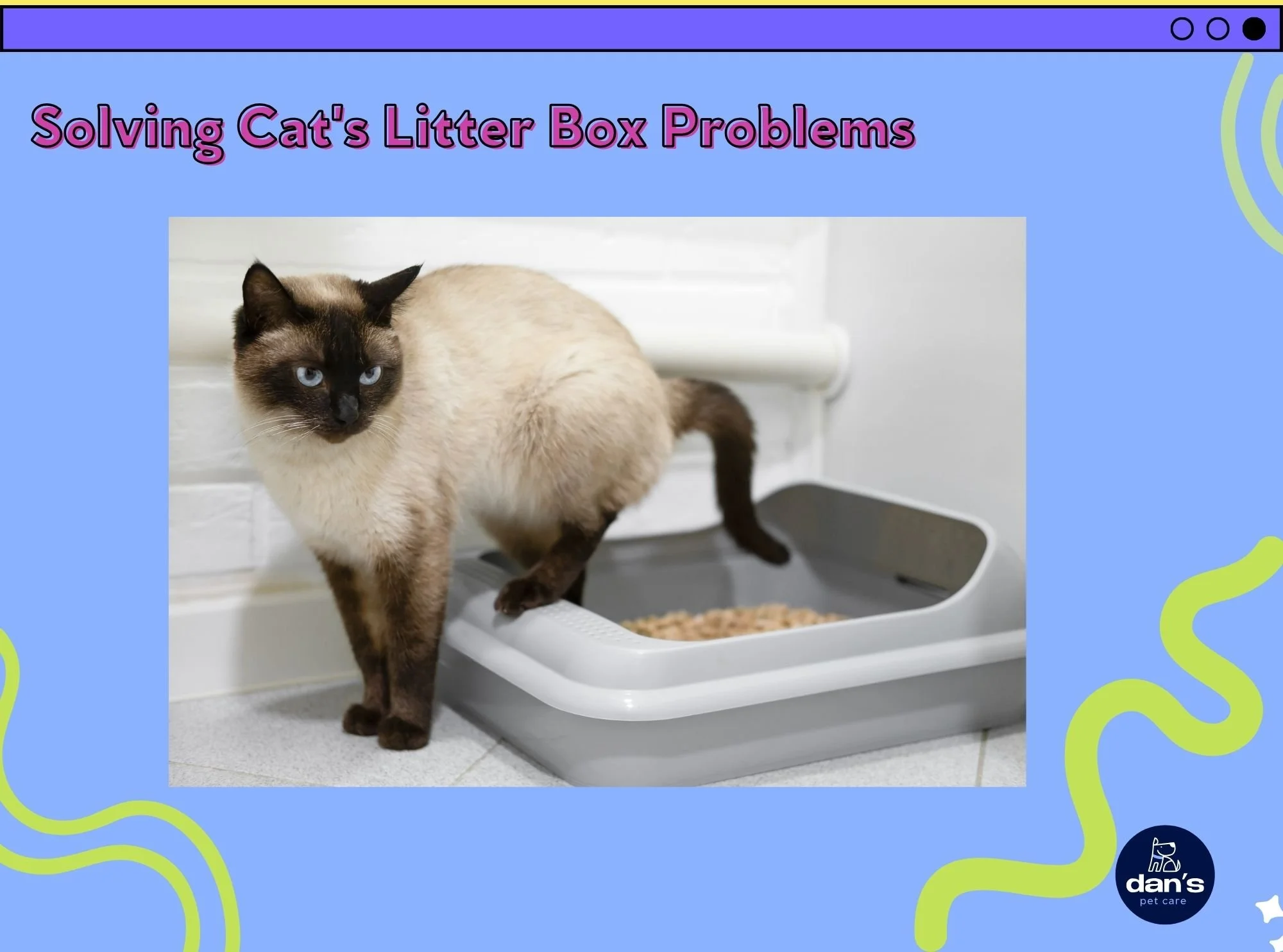
Few things are more frustrating for cat owners than litter box problems. When a normally tidy cat starts avoiding the litter box, it can be confusing and stressful. The good news is that these issues almost always have an identifiable cause, and most can be resolved with the right approach.
Cats do not avoid the litter box out of spite. They are trying to tell you something. Whether it is a medical issue, a dirty box, or stress, understanding the reason is the first step to a solution. In this guide, we will help Long Island cat owners troubleshoot and solve common litter box problems.
Why Litter Box Issues Happen
Litter box problems can stem from a variety of causes, and identifying the reason is essential to fixing the issue. Broadly, causes fall into a few categories: medical problems, litter box setup issues, and stress or behavioral factors. Sometimes more than one factor is involved.
A cat who suddenly stops using the box is communicating that something is wrong. Rather than getting frustrated, approach the situation like a detective. By systematically considering the possible causes, you can usually pinpoint the problem. For Long Island cat owners, understanding that litter box avoidance is a signal, not defiance, is the key to finding an effective solution.
Rule Out Medical Causes First
Before assuming a litter box problem is behavioral, it is essential to rule out medical causes. A sudden change in litter box habits is often the first sign of a health issue. Conditions like urinary tract infections, bladder stones, kidney disease, and diabetes can all cause litter box avoidance.
If your cat is straining, urinating frequently, producing blood, or crying in the box, contact your Long Island veterinarian right away, since some urinary issues are emergencies. Even without dramatic symptoms, a vet visit is wise when habits change suddenly. Ruling out medical causes first ensures you address any underlying health problem and do not overlook something serious.
The Right Number of Litter Boxes
One of the most common litter box mistakes is simply not having enough boxes. The general rule is one litter box per cat, plus one extra. So a home with two cats should have at least three boxes. This reduces competition and gives every cat options.
Even in a single cat home, having more than one box can help, especially in a multi level house. Cats sometimes prefer to urinate and defecate in separate boxes, too. Providing enough boxes in the right locations prevents many problems before they start. For Long Island cat owners, getting the number of boxes right is a simple but powerful step toward litter box success.
Litter Box Placement
Where you place the litter box matters more than many owners realize. Cats prefer quiet, low traffic locations where they feel safe and will not be startled or ambushed. A box tucked in a busy, noisy area may be avoided, no matter how clean it is.
Avoid placing boxes near loud appliances or in cramped corners with only one exit. Spread multiple boxes across different areas rather than lining them up in one spot, since cats view boxes in the same location as a single option. Thoughtful placement throughout your Long Island home helps your cat feel comfortable and encourages consistent litter box use.
Choosing the Right Litter
Cats can be particular about their litter, and the wrong type can lead to avoidance. Most cats prefer unscented, fine textured, clumping litter, which feels comfortable on their paws and resembles the sandy soil cats naturally gravitate toward. Strong fragrances that appeal to humans can be off putting to cats.
If you need to change litters, do so gradually by mixing the new litter with the old. Some cats have strong preferences, so it may take some experimentation to find what your cat likes. Once you find a litter your cat approves of, stick with it. For Long Island cat owners, the right litter choice can resolve or prevent many litter box issues.
Box Size and Type
The size and style of the litter box can significantly affect whether your cat uses it. Many boxes are simply too small. A good litter box should be at least one and a half times the length of your cat, giving them plenty of room to turn around and dig comfortably.
Some cats dislike covered boxes, which can trap odors and feel confining, while others appreciate the privacy. Senior cats and kittens need boxes with low sides for easy entry. Pay attention to your cat’s preferences and adjust accordingly. For Long Island cat owners, choosing the right box size and type removes a common and easily fixable barrier to consistent use.
Keeping the Litter Box Clean
Cats are famously clean animals, and a dirty litter box is one of the top reasons they stop using it. Imagine being asked to use an unflushed toilet. That is how a cat feels about a soiled box. Regular cleaning is essential to keep your cat using the box reliably.
Scoop the litter at least once or twice a day, and completely change the litter and wash the box regularly. Avoid harsh cleaning chemicals with strong odors, which can deter your cat. A consistently clean box shows your cat their bathroom is inviting. For Long Island cat owners, diligent cleaning is often the single most effective way to prevent litter box problems.
Stress and Litter Box Avoidance
Stress is a major and often overlooked cause of litter box problems. Cats are sensitive to changes in their environment, and stress can manifest as litter box avoidance. Common stressors include new pets, new people, moving, changes in routine, or conflict with other cats.
If your cat’s litter box issues coincide with a change at home, stress may be the culprit. Reducing stress through consistency, safe spaces, and enrichment can help. Providing a calm, predictable environment supports your cat’s comfort. For Long Island cat owners, recognizing the link between stress and litter box behavior is important, since addressing the emotional cause often resolves the physical symptom.
Multi Cat Household Challenges
Litter box problems are especially common in multi cat homes. Competition, territory disputes, and the stress of sharing resources can all lead to avoidance. One cat may guard a box or ambush another, making certain boxes feel unsafe to use.
Providing enough boxes, spread across different locations, is essential in multi cat homes. This gives each cat safe, accessible options and reduces conflict. Pay attention to the dynamics between your cats and ensure no cat is being blocked from the boxes. For Long Island cat owners with multiple cats, thoughtful litter box management is key to keeping the peace and preventing accidents.
Marking Versus Elimination Problems
It helps to distinguish between two different types of litter box issues: inappropriate elimination and marking. With elimination problems, a cat urinates or defecates outside the box because something about the box or their health is bothering them, and they typically use horizontal surfaces.
Marking, or spraying, is different. A cat that sprays usually stands and deposits small amounts of urine on vertical surfaces to communicate. Marking is often linked to stress, territory, or hormones. Understanding which behavior you are seeing helps you address it correctly. For Long Island cat owners, identifying the type of problem guides you toward the right solution, whether that is medical, environmental, or behavioral.
Cleaning Accidents Properly
How you clean up accidents affects whether they happen again. Cats are drawn back to spots that smell like urine, so thorough cleaning is essential. Ordinary household cleaners often fail to fully remove the odor that attracts your cat to repeat the behavior.
Use an enzymatic cleaner specifically designed to break down pet urine, which eliminates the scent completely rather than masking it. Avoid ammonia based cleaners, since ammonia smells like urine to cats and can encourage repeat accidents. Proper cleaning helps break the cycle. For Long Island cat owners, using the right products is an important part of resolving litter box problems for good.
Senior Cats and Litter Boxes
As cats age, they may develop litter box challenges related to mobility and health. Arthritis can make climbing into a high sided box painful, and cognitive changes may cause confusion. Senior cats deserve extra consideration to keep them comfortable and confident.
Provide boxes with low sides for easy access, and place them on every level of your home so your senior cat does not have to travel far. Keep boxes in familiar, easy to reach spots. Monitor your older cat’s habits closely, since changes can signal health issues. For Long Island cat owners, accommodating a senior cat’s needs helps them continue using the box reliably.
Kittens and Litter Training
Litter training a kitten is usually straightforward, since the instinct to use litter comes naturally. Provide a low sided box that is easy for a small kitten to enter, and place it in an accessible, quiet location. Show your kitten the box, and gently place them in it after meals and naps.
Most kittens catch on quickly with a little guidance. Keep the box clean and be patient with any early accidents. Avoid punishment, which only creates fear. With a suitable box and gentle encouragement, your kitten will learn fast. For Long Island cat owners, starting kittens off right sets the foundation for good litter box habits throughout their lives.
When to See a Veterinarian
While many litter box problems can be solved at home, some require veterinary attention. Any sudden change in litter box habits warrants a vet visit to rule out medical causes. This is especially urgent if your cat shows signs of a urinary blockage, which is a life threatening emergency.
Contact your Long Island veterinarian promptly if your cat is straining, crying, producing blood, or unable to urinate. Even less dramatic changes deserve attention if they persist. Your vet can diagnose underlying conditions and recommend treatment. For Long Island cat owners, knowing when to seek professional help ensures your cat gets timely care and prevents small issues from becoming serious.
How a Cat Sitter Helps Monitor Litter Habits
A professional cat sitter plays a valuable role in monitoring your cat’s litter box habits, especially while you are away. Changes at the litter box are often the earliest sign of a health problem, and a trained sitter knows what to watch for during each visit.
A good sitter keeps the box clean, notes any changes in your cat’s bathroom habits, and alerts you to concerns like accidents, straining, or avoidance. This attentiveness can catch problems early, when they are most treatable. For Long Island cat owners, professional cat visits provide an extra layer of monitoring that helps protect your cat’s health and wellbeing.
Covered Versus Uncovered Boxes
One common question is whether to use a covered or uncovered litter box. The answer depends on your cat, since preferences vary. Some cats appreciate the privacy a covered box provides, while others feel trapped or dislike the way covers can hold in odors. There is no single right answer for every cat.
If you are unsure, offer both types and see which your cat prefers. Covered boxes need especially diligent cleaning, since odors build up inside. Larger cats may find covered boxes cramped. Paying attention to your cat’s choice helps you provide a box they will happily use. For Long Island cat owners, matching the box style to your cat’s preference prevents avoidance issues.
Litter Depth and Maintenance
The amount of litter in the box matters more than many owners realize. Too little litter makes it hard for your cat to dig and cover, while too much can feel unstable underfoot. A depth of a few inches is usually ideal, giving your cat enough to scratch and bury comfortably.
Beyond daily scooping, completely change the litter and clean the box regularly to keep it fresh. Refill to the appropriate depth after cleaning. Consistent maintenance keeps the box inviting and encourages reliable use. For Long Island cat owners, paying attention to litter depth and staying on top of maintenance are simple habits that go a long way toward preventing litter box problems.
Helping a Cat Return to the Box
If your cat has been avoiding the litter box, you can take steps to encourage them back. First, address any underlying cause, whether medical, environmental, or stress related. Then make the box as appealing as possible with fresh litter, a clean box, and a quiet, accessible location your cat feels safe using.
Thoroughly clean any accident spots with an enzymatic cleaner so your cat is not drawn back to them. You may temporarily limit access to problem areas while reestablishing good habits. Be patient and positive, never punishing accidents. For Long Island cat owners, a calm, systematic approach usually helps a cat return to reliable litter box use over time.
Preventing Future Problems
Once you have resolved a litter box issue, a few good habits help prevent future problems. Keep boxes clean, maintain the right number in good locations, and stick with a litter your cat likes. Consistency in your cat’s environment and routine also supports steady, reliable litter box habits over the long term.
Continue monitoring your cat’s litter box use, since changes can be an early sign of health issues. Address any stress promptly and keep your cat’s environment enriched and calm. Regular veterinary checkups catch potential problems early. For Long Island cat owners, ongoing attention to these basics keeps litter box troubles from returning and helps your cat stay comfortable and healthy.
How Dan’s Pet Care Can Help
Dan’s Pet Care supports healthy litter box habits for Long Island cats. Our in-home cat visits include thorough litter box cleaning and careful monitoring, and our in-home pet sitting keeps your cat’s routine consistent while you travel.
Our trained, insured Pet Care Specialists keep boxes clean and watch for changes that could signal a problem, alerting you promptly if something seems off. This attentive care helps prevent litter box issues and gives you peace of mind that your cat is comfortable and healthy.
Final Thoughts
Litter box problems are frustrating, but they are almost always solvable once you understand the cause. By ruling out medical issues, providing enough clean boxes, choosing the right litter, and reducing stress, you can help your cat return to reliable habits. A little detective work goes a long way for Long Island cat owners.
Struggling with litter box issues or need reliable cat care? Contact Dan’s Pet Care today for attentive in-home cat visits and support.