
Redefining “Bad Behavior”
What many cat owners consider “bad behavior” is often just normal feline instinct. From scratching furniture to meowing at all hours, cats act out for reasons rooted in biology and environment. Rather than punish them, understanding the “why” behind these behaviors is the key to creating a more peaceful home. Cats don’t act out of spite, they’re trying to meet a need. At Dan’s Pet Care, we help Long Island pet owners interpret their cat’s actions and provide appropriate enrichment to redirect unwanted behaviors. This guide will walk you through common household issues, explaining their root causes and offering practical solutions.
With a little insight and adjustment, many of these conflicts can be resolved without stress for either party. Visit Dan’s Pet Care for customized support from our feline care experts.
Scratching Furniture: Instincts in Action
Scratching is one of the most misunderstood cat behaviors. It’s not just about sharpening claws, scratching serves multiple purposes. It helps cats stretch, mark territory with scent glands in their paws, and maintain claw health. Furniture often becomes a target because it's sturdy and readily available. If your cat doesn’t have appropriate outlets, they’ll default to whatever’s nearby. To prevent this, offer scratching posts in high-traffic areas, especially near furniture they’re targeting. Vertical and horizontal scratchers made from sisal or cardboard work best. Place catnip or toys near posts to attract interest. Never punish your cat for scratching. Instead, reward them when they use the right surfaces. Redirecting this instinct with the right tools is more effective than suppression. Scratching is natural, your home just needs to meet their needs better.
Tips to redirect scratching:
Provide multiple scratching surfaces
Use catnip to draw interest
Reward appropriate scratching
Cover or block furniture temporarily
Excessive Meowing: Not Just Noise
Cats meow to communicate with humans, not each other. When vocalization becomes excessive, it’s often a sign that your cat is trying to get your attention. This could be due to hunger, loneliness, boredom, or medical issues. Some breeds, like Siamese cats, are naturally more vocal. However, if your cat is meowing more than usual, it’s important to identify any changes in their routine or health. Start by ruling out medical causes with a vet check. If your cat is healthy, increase interactive playtime and offer puzzle feeders to keep them engaged. Establish a consistent daily routine so they know when to expect food, play, and rest. Ignoring excessive meowing can sometimes make it worse.
Instead, acknowledge their needs and redirect them constructively. At Dan’s Pet Care, we often help Long Island clients adjust routines to reduce vocal stress.
Nighttime Activity: Midnight Zoomies Explained
Many cats are most active during dawn and dusk, which aligns with their natural hunting instincts. Unfortunately, this means they often want to play when you want to sleep. If your cat sprints through the house at midnight, they’re not misbehaving, they’re expressing pent-up energy. The solution is to tire them out before bedtime. Engage your cat in active play sessions in the evening using feather wands, laser toys, or chase games. Follow playtime with a small meal to mimic the hunt-eat-sleep cycle of wild cats. Make your bedroom less stimulating by keeping it dark and quiet. If your cat wakes you for food, an automatic feeder can help. Avoid giving attention during nighttime wakeups, or you’ll reinforce the habit. With a routine tailored to their instincts, nighttime chaos can be minimized.
Strategies for calmer nights:
Schedule evening play sessions
Offer a late-night meal
Use an automatic feeder
Avoid rewarding night meows with attention
Inappropriate Elimination: Accidents or Signals?
When a cat stops using the litter box, it’s often a red flag for medical or emotional stress. Urinary tract infections, kidney issues, or arthritis can make using the box painful. Always rule out medical causes first. If your cat is healthy, consider environmental factors. Litter box location, cleanliness, or the type of litter can all influence usage. Cats prefer quiet, private areas and may reject a box that smells too strongly or is used by another cat. Multiple boxes in different areas are ideal, especially in multi-cat homes. Stress from new pets, guests, or changes in routine can also trigger inappropriate elimination.
Try pheromone diffusers, maintain routines, and ensure your cat has safe spaces. Behavioral “accidents” are usually a call for help, not rebellion. Addressing the root cause is the first step to resolving the issue.
Aggression Toward People or Other Pets
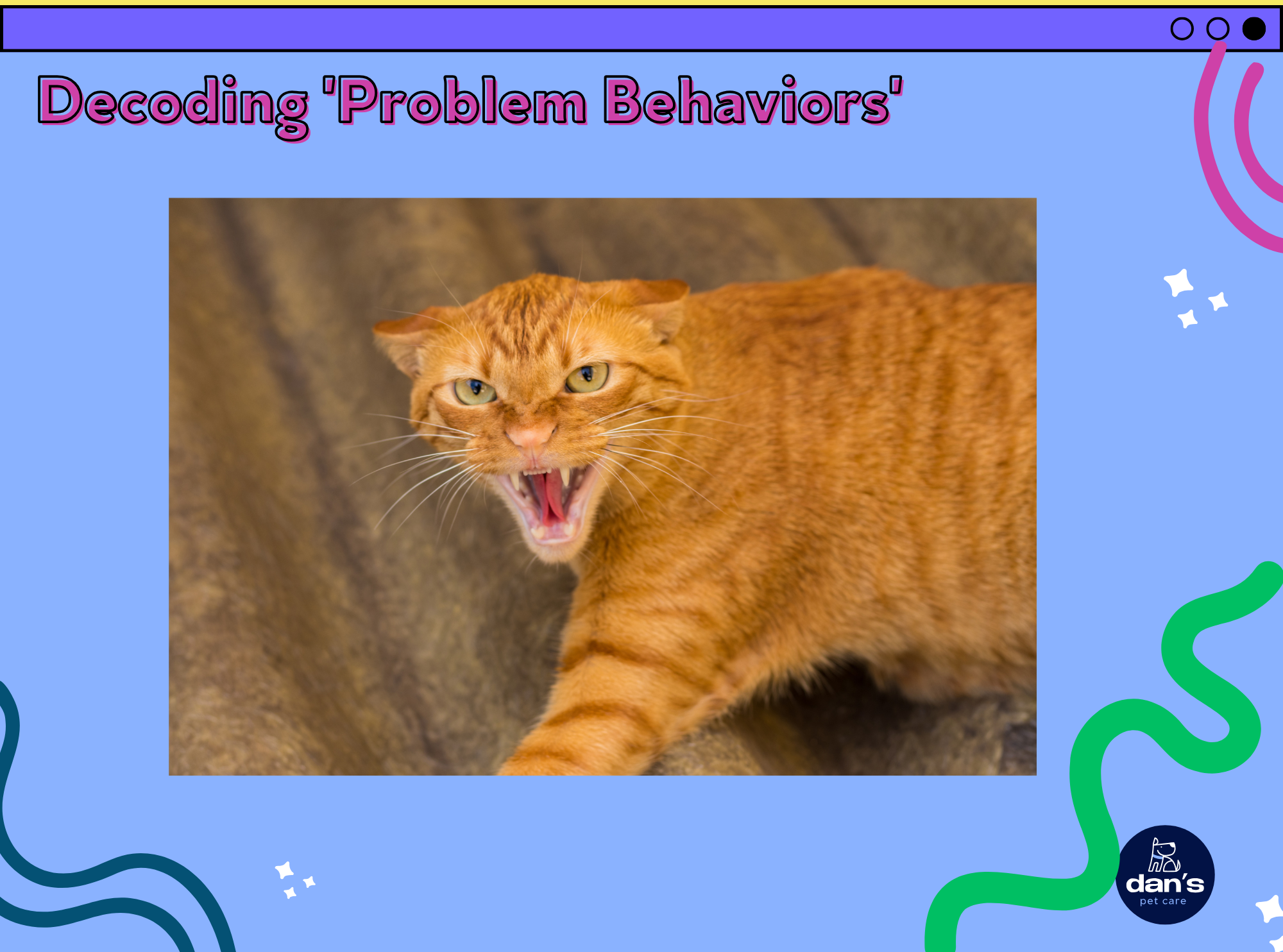
Aggression in cats often stems from fear, overstimulation, or redirected frustration. Sudden biting during petting, for example, can result from too much stimulation. Cats have a petting threshold and will signal discomfort with tail flicks, twitching skin, or flattened ears. Respect these signs to avoid escalation. Inter-cat aggression often relates to territory or resource competition. Ensure each cat has its own feeding area, litter box, and resting space. Use vertical territory like cat trees to reduce tension. Gradual reintroduction and behavior modification can ease long-term aggression. Never punish an aggressive cat, it increases fear and confusion. Instead, identify the triggers and remove or manage them.
For Long Island homes struggling with cat conflict, Dan’s Pet Care offers behavior consultations. With patience and planning, even tense feline relationships can improve.
Climbing and Knocking Things Over
Cats love to climb, jump, and explore elevated spaces. These behaviors stem from their instinct to seek safety and survey their territory. If your cat knocks over items on shelves or countertops, it’s not out of spite. They’re exploring, playing, or making room to perch. To redirect this behavior, provide vertical alternatives like cat trees, window hammocks, or wall-mounted shelves. Clear cluttered surfaces and secure fragile items to prevent accidents. Use double-sided tape or motion sensors to deter access to off-limits areas. Reward your cat for using approved vertical spots. Enrichment is key, bored cats are more likely to make mischief. Regular play sessions and stimulating environments reduce unwanted exploration. Cats crave height and challenge, and it’s our job to give them a healthy outlet.
Chewing or Eating Inappropriate Items
While less common than in dogs, some cats develop a habit of chewing or ingesting non-food items. This condition, called pica, may involve plastic, cords, fabric, or plants. Causes range from boredom and stress to nutritional deficiencies or underlying medical issues. Start by removing access to tempting items. Hide cords, switch to cat-safe plants, and store string or plastic bags out of reach. Provide alternative chew toys or cat grass to satisfy the urge. Enrich your cat’s environment with puzzle feeders, climbing structures, and interactive toys. If the behavior persists, a vet visit is essential to rule out health concerns.
Pica can lead to intestinal blockages and requires prompt attention. At Dan’s Pet Care, we work with Long Island families to identify triggers and create safer home setups for curious kitties.
Signs your cat might have pica:
Chewing or eating plastic, string, or cloth
Repeated vomiting or digestive issues
Interest in non-edible materials
Over-Grooming and Self-Harm
Excessive grooming that leads to hair loss, redness, or sores is often a sign of stress, anxiety, or medical conditions like allergies or parasites. Cats groom to calm themselves, but when grooming becomes compulsive, it may signal an emotional or physical issue. Check for fleas, skin infections, or food allergies. If medical issues are ruled out, assess your cat’s environment for sources of stress. Boredom, territorial disputes, or changes in the home can all contribute. Provide mental stimulation, safe hiding spots, and consistent routines. Pheromone diffusers and calming supplements may help. Distract your cat during grooming episodes with toys or interactive play. Over-grooming is rarely just a cosmetic concern, it’s a cry for help. Veterinary guidance and environmental enrichment are key to managing the behavior.
Jumping on Counters and Tables
Cats are naturally drawn to elevated surfaces. Kitchen counters, tables, and bookshelves offer both a vantage point and access to interesting smells or food. While this behavior can be frustrating, it’s not malicious. It’s rooted in curiosity and territorial instincts. To manage it, create acceptable alternatives like cat trees or window perches. Use deterrents such as double-sided tape, aluminum foil, or motion-activated sprays on off-limits surfaces. Never yell or swat, this damages trust and is ineffective long-term. Instead, reinforce positive behavior by rewarding your cat for staying on permitted surfaces. Make counters less appealing by clearing food and cleaning with citrus-scented cleaners, which many cats dislike. Redirecting with enrichment and consistency will help your cat choose better spots for climbing and lounging.
Attention-Seeking Behaviors
Some cats become demanding when they’re bored or feel neglected. They may paw at you, meow persistently, or knock things over to get attention. While it's tempting to scold or ignore them, these behaviors often stem from unmet social and mental needs. Increase playtime and interactive bonding sessions. Food puzzles, scent games, and hide-and-seek activities provide mental stimulation. Stick to a routine so your cat knows when to expect interaction. Reinforce calm behavior by rewarding them with attention when they’re quiet and relaxed. Avoid giving in to attention-seeking in the moment it’s happening, or you’ll reinforce the pattern. Instead, proactively meet their needs throughout the day.
At Dan’s Pet Care, we help Long Island pet parents create structured plans that balance attention, independence, and enrichment for happier cats.
Understanding Prevents Conflict
When you understand the motivation behind your cat’s behavior, everything changes. What once seemed like “bad” habits are often expressions of unmet needs, stress, or natural instincts. From scratching and meowing to jumping on counters, each behavior has a purpose. Your role as a pet parent is to decode these actions and provide appropriate enrichment, structure, and care. At Dan’s Pet Care, we specialize in helping Long Island cat owners create peaceful, behavior-friendly homes. With patience, insight, and the right tools, you can transform conflict into connection.
Visit Dan’s Pet Care for expert support tailored to your cat’s unique needs. Remember, your cat isn’t misbehaving, they’re trying to communicate. Are you listening?