
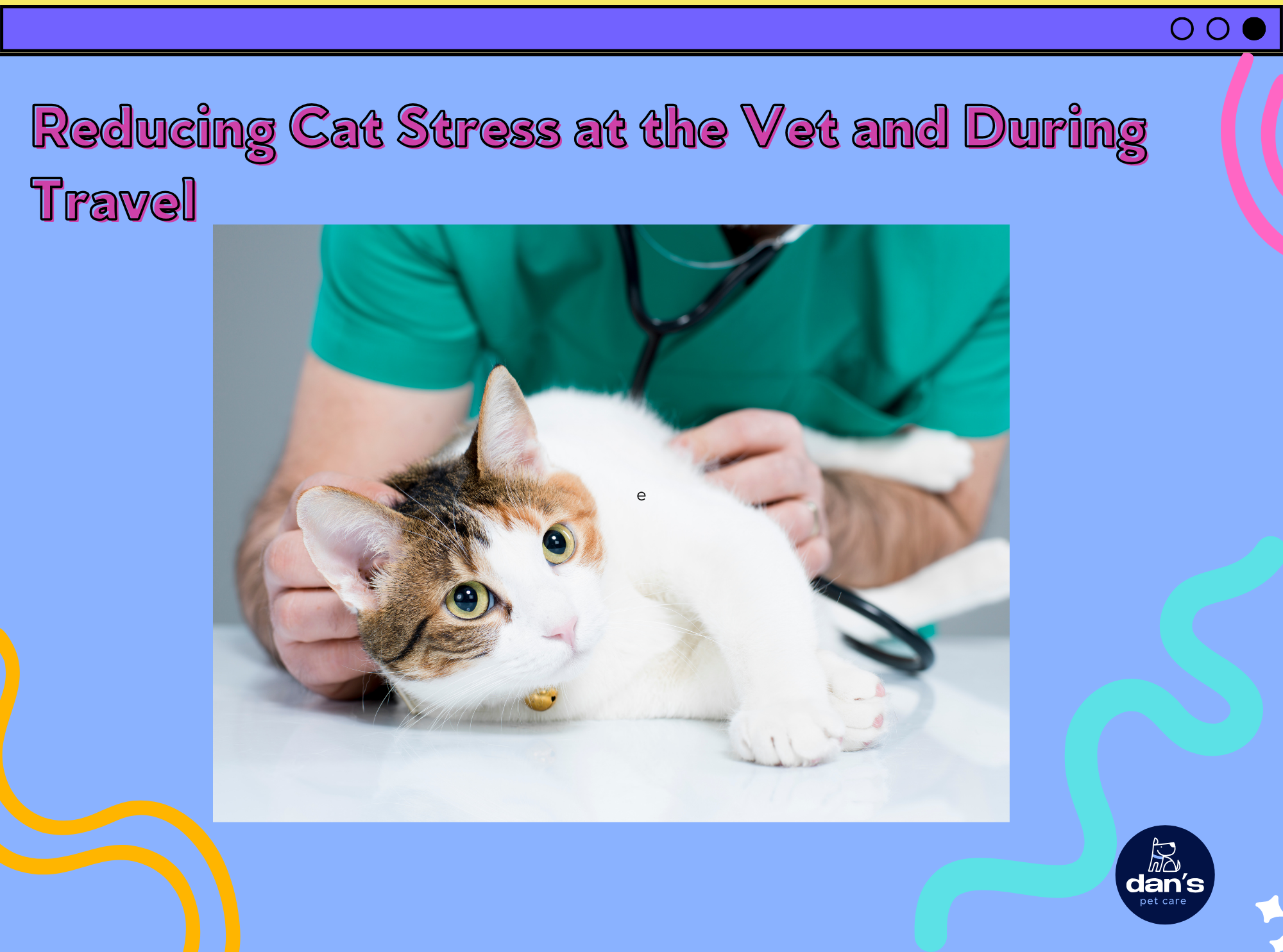
For many cats, a trip to the vet or any kind of travel is deeply stressful. The carrier comes out, the car starts moving, and your calm companion becomes anxious and frightened. This stress is hard on cats and often keeps owners from getting the veterinary care their cats need. The good news is that it can be improved.
With patience and the right approach, you can help your cat feel much calmer about carriers, car rides, and vet visits. It takes time, but reducing this stress makes life better for your cat and easier for you. In this guide, we will share practical tips to help Long Island cat owners take the fear out of travel and vet trips.
Why Cats Find Travel Stressful
Understanding why cats find travel so stressful helps you address the problem with compassion. Cats are territorial animals who feel most secure in their familiar home environment. Leaving that safe space, being confined in a carrier, and encountering new sights, sounds, and smells can be frightening for them.
Cats also associate the carrier and car with scary destinations, often the vet, which makes them anxious the moment these things appear. Their strong attachment to routine and territory means change is inherently stressful. Recognizing this helps you approach travel with patience. For Long Island cat owners, understanding your cat’s perspective is the first step to making travel less frightening.
Choosing the Right Carrier
The right carrier makes a big difference in your cat’s comfort. Look for a sturdy, well ventilated carrier that is large enough for your cat to stand, turn around, and lie down comfortably. A carrier that opens from both the top and the front is especially helpful, since it makes getting your cat in and out much easier.
A hard sided carrier with a removable top can be ideal, allowing your vet to examine your cat while they stay in the bottom half if they are frightened. Avoid carriers that require you to force your cat through a small opening. For Long Island cat owners, a comfortable, practical carrier is the foundation of stress free travel.
Carrier Training at Home
One of the most effective ways to reduce travel stress is to help your cat feel comfortable with the carrier before you need it. If the carrier only appears before scary trips, your cat learns to fear it. Instead, make the carrier a normal, positive part of your home.
Leave the carrier out in a common area with the door open, and place soft bedding, treats, and toys inside to create positive associations. Let your cat explore it at their own pace, and reward them for going near or inside. Over time, the carrier becomes a safe space. For Long Island cat owners, carrier training is a powerful way to reduce travel anxiety.
Making the Carrier Comfortable
A comfortable carrier helps your cat feel more secure during travel. Line the carrier with soft, familiar bedding, ideally something that smells like home or like your cat. Familiar scents are reassuring and help reduce anxiety in an unfamiliar situation.
You can also cover the carrier with a light towel or blanket during travel to create a cozy, den like space that blocks out frightening sights. Make sure ventilation is not blocked. Some cats feel calmer when they cannot see everything happening around them. For Long Island cat owners, a comfortable, familiar carrier interior goes a long way toward easing travel stress.
The Car Ride
The car ride itself can be stressful, but you can take steps to make it calmer. Secure the carrier safely so it does not slide or tip, ideally on the floor or strapped in with a seatbelt. A stable carrier helps your cat feel more secure and keeps them safe during the drive.
Drive smoothly, avoid loud music, and keep the car at a comfortable temperature. Speaking softly can be reassuring for some cats. Keeping the carrier covered can also help reduce visual stress. Practicing short, positive car trips can build tolerance over time. For Long Island cat owners, a calm, careful approach to car rides helps reduce your cat’s travel anxiety.
Reducing Stress at the Vet
The vet’s office is often the most stressful destination for cats, but there are ways to ease it. When possible, keep your cat in their carrier while waiting, and place the carrier up off the floor and away from dogs. This helps your cat feel safer in a busy, unfamiliar environment.
Bring familiar bedding and let your cat stay in the bottom half of the carrier during the exam if they are frightened. Many veterinary practices are experienced in gentle handling for anxious cats. Staying calm yourself helps your cat too. For Long Island cat owners, these small steps make vet visits less frightening and support your cat’s health care.
Scheduling Vet Visits Wisely
How you schedule vet visits can affect your cat’s stress level. When possible, choose appointment times that tend to be quieter, and ask whether the practice has any recommendations for anxious cats. Reducing time spent in a busy waiting room can make a real difference for a nervous cat.
Some owners find that calling ahead or waiting with their cat in the car until the vet is ready helps minimize stress. Planning around your cat’s comfort shows you understand their needs. Regular checkups are important, so making them less stressful helps you keep up with care. For Long Island cat owners, thoughtful scheduling supports both your cat’s comfort and their health.
Calming Aids and Pheromones
Various calming aids can help reduce your cat’s travel and vet anxiety. Synthetic feline pheromone products, available as sprays and diffusers, mimic natural calming signals and can help some cats feel more relaxed. Spraying a pheromone product in the carrier before travel may help ease anxiety.
For very anxious cats, your veterinarian may recommend additional calming options or medications for particularly stressful trips. Always consult your vet before using any calming product or supplement, since they can guide you to safe, appropriate choices. For Long Island cat owners, calming aids used under veterinary guidance can be a helpful part of reducing travel stress for an anxious cat.
Handling a Fearful Cat
Handling a frightened cat requires calm and care, both to keep your cat safe and to avoid making the fear worse. Move slowly and speak softly, and avoid grabbing or forcing your cat, which increases their fear. A gentle, patient approach helps your cat feel more secure.
If your cat is hiding before a trip, calmly encourage them out rather than dragging them, and never scold a fearful cat. Giving yourself plenty of time reduces the pressure that can escalate stress. Reward calm behavior with treats and praise. For Long Island cat owners, gentle handling is essential to keeping travel from becoming even more frightening for a fearful cat.
Longer Trips and Travel
For longer trips, extra planning helps keep your cat comfortable. If you are traveling a long distance, plan for your cat’s needs along the way, including access to water and, on very long trips, a secure way to offer a litter box during breaks. Never let your cat loose in a moving vehicle.
Keep your cat in their carrier for safety, and maintain a comfortable temperature. Bring familiar items to provide comfort. For many cats, however, staying home is far less stressful than long travel. Consider whether your cat truly needs to come along. For Long Island cat owners, thoughtful planning makes necessary long trips safer and more comfortable for your cat.
When You Cannot Bring Your Cat
Sometimes the kindest choice is to leave your cat at home rather than subjecting them to the stress of travel. Cats are strongly attached to their territory, and many are far happier and less stressed staying in their familiar environment than traveling to an unfamiliar place. This is worth considering when you plan a trip.
If you are going away, arranging reliable care at home lets your cat stay in the place where they feel safest. This avoids the stress of travel and a strange environment entirely. For many cats, home care is the ideal solution. For Long Island cat owners, choosing in home care when possible spares your cat unnecessary travel stress and keeps them comfortable.
In-Home Care as an Alternative
When you travel without your cat, in home care is often the best option for their comfort. A professional cat sitter comes to your home to feed your cat, clean the litter box, provide fresh water, offer companionship, and keep an eye on your cat’s wellbeing. Your cat stays in their familiar, secure environment.
This approach avoids the stress of travel, boarding, and unfamiliar surroundings, which is especially valuable for anxious or territorial cats. Your cat maintains their routine and comfort while you are away. For Long Island cat owners, in home cat care provides peace of mind that your cat is cared for and content without the stress of leaving home.
Pet Taxi Services
When your cat does need to travel, such as for a vet appointment you cannot drive them to, a pet taxi service can help. A professional pet taxi provides safe, reliable transportation for your cat, handled by experienced caregivers who understand how to keep pets comfortable and secure during transport.
This can be a valuable option for busy Long Island families or anyone without transportation for a vet visit. A calm, experienced handler helps reduce your cat’s stress during the trip. Knowing your cat is transported safely provides peace of mind. For Long Island cat owners, a pet taxi service is a helpful resource when your cat needs to get to the vet or elsewhere.
After the Trip
How you handle things after a stressful trip matters too. When you get home, let your cat come out of the carrier on their own terms rather than pulling them out. Give them time and space to decompress and return to their normal routine at their own pace.
Offer treats, gentle affection if your cat wants it, and a calm environment to help them recover. Some cats need a little time to settle after a stressful experience, and that is normal. A calm homecoming helps your cat bounce back. For Long Island cat owners, a patient, low pressure approach after travel helps your cat recover and reduces lingering stress.
Building Positive Associations
Over time, you can help your cat build more positive associations with carriers and travel. Consistent, gentle practice with the carrier, short positive car rides, and rewards for calm behavior all help reduce fear gradually. The more positive experiences your cat has, the less frightening travel becomes.
Patience is essential, since building new associations takes time and repetition. Never rush the process or force your cat, which can undo your progress. Celebrate small steps forward. With consistent effort, many cats become noticeably calmer about travel. For Long Island cat owners, building positive associations is a long term investment that makes future vet visits and trips much easier.
How Dan’s Pet Care Can Help
When travel is stressful for your cat, Dan’s Pet Care offers gentle alternatives. Our in-home cat visits let your cat stay in their safe, familiar home while you are away, and our pet taxi service provides safe, caring transport when your cat does need to travel.
Our trained, insured Pet Care Specialists understand feline stress and handle every cat with patience and care. Whether your cat needs companionship at home or a calm ride to the vet, we help minimize stress and keep your cat comfortable and secure.
Final Thoughts
Travel and vet visits do not have to be traumatic for your cat. With carrier training, a comfortable setup, calm handling, and patience, you can reduce your cat’s stress significantly. And when your cat is better off staying home, in home care keeps them comfortable. A little effort makes a big difference for your cat here on Long Island.
Want stress free care options for your cat? Contact Dan’s Pet Care today to arrange in-home visits or safe transport built around your cat’s comfort.