When the clock strikes midnight across Long Island, the cheering usually comes with a soundtrack of booms, crackles and whistles from neighborhood celebrations. For a lot of pups, that isn't a party. It's a scare. If you've ever found your dog trembling behind the couch at 12:01, setting up a New Year's Eve fireworks safe room for your dog is one of the kindest gifts you can give this season.
In this guide, we'll walk you through picking the right spot, blocking out sound and light, stocking the room with comfort items, and (the part most people skip) practicing in December so your dog actually wants to be there when the first rocket goes up. Let's get cozy.
Why a Safe Room Helps Dogs Ride Out the Booms
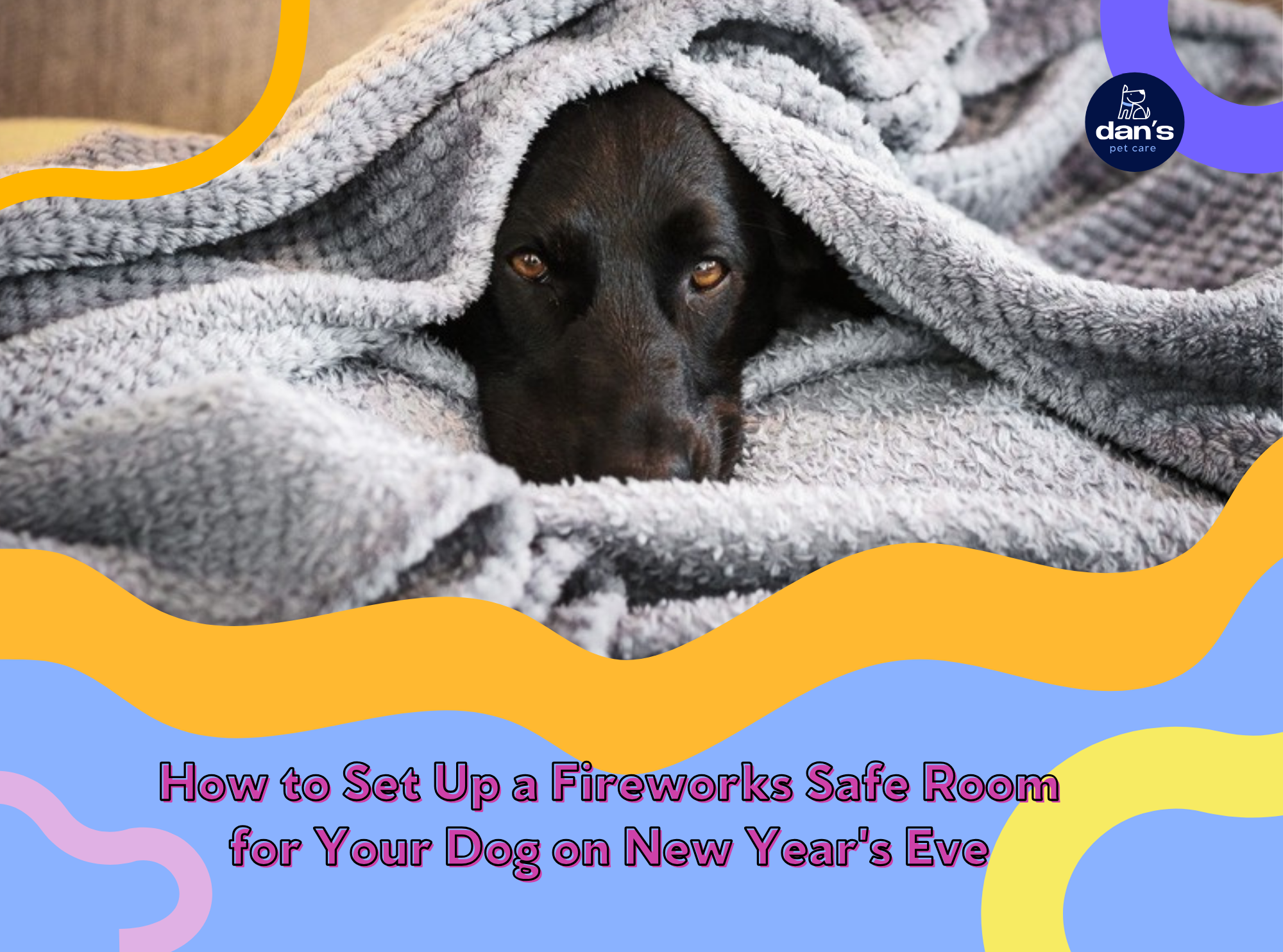
Dogs hear sounds we barely notice, so a burst of fireworks can feel loud, sudden and impossible to predict. Add bright flashes in the windows and the smell of smoke drifting in, and it's easy to see why so many dogs look for somewhere to hide.
A safe room gives your dog that hiding spot on purpose. Instead of squeezing behind the toilet or clawing at the front door, your pup has a familiar, quiet den that already feels like a happy place. It won't erase noise fear on its own, but it gives your dog a better way to cope.
If your dog's fear is strong or shows up with other noises too, a safe room works best alongside some guided practice. Our dog training programs on Long Island include Behavioral Training and 1-on-1 sessions built around time, patience and consistency.
Signs Your Dog Is Worried About Fireworks
Before you build, it helps to know what fear looks like in your dog. Common signs include:
- Panting or drooling when they aren't hot or tired
- Pacing, trembling or not being able to settle
- Hiding, or trying to squeeze into small spaces
- Tail tucked, ears pinned back, or showing the whites of their eyes
- Refusing food or treats they usually love
- Scratching at doors or trying to escape
- Sticking to you like glue (or the opposite, avoiding everyone)
Every dog shows stress a little differently, so it's worth brushing up on how to read your dog's cues. If your dog ever seems injured, can't calm down at all, or shows signs that worry you, call your veterinarian or an emergency vet.
How to Set Up a New Year's Eve Fireworks Safe Room for Your Dog
Step 1: Pick the Quietest Room in the House
Look for an interior space with few or no windows, ideally on the side of the house farthest from the street. Good options include:
- A laundry room or large bathroom
- A walk-in closet with the door propped open
- A finished basement (as long as it's warm enough)
- A spare bedroom your dog already likes
Bonus points if your dog already naps there on their own. Since Long Island nights in late December get chilly, make sure the room stays comfortably warm, especially for small, senior or short-coated pups.
Step 2: Block the Flashes With Blackout Curtains
Flashes of light can be just as startling as the noise. Hang blackout curtains or temporary blackout panels over any windows, and close the blinds underneath for an extra layer. You don't need total darkness. A soft lamp or nightlight keeps the room calm and lets your dog see their surroundings.
Step 3: Layer In Sound Masking
You can't stop the fireworks, but you can soften them. Try one or more of these:
- A white noise machine placed near the window or door
- A box fan running on low
- Calm music or a familiar TV show at a normal volume
The goal is a steady, comfy background hum that blurs the sharp edges of each boom. Keep it at a volume that's pleasant for you too, since a too-loud speaker can add to the stress. Looking for a white noise machine or other calming gear? Our roundup of the best gadgets for your dog this holiday season has some fun ideas to browse.
Step 4: Build a Cozy Den
Dogs often feel safest in snug, covered spaces. Set up:
- Their own familiar bed (not a brand-new one)
- A blanket or two they can burrow into
- A worn t-shirt or sweatshirt that smells like you
- If your dog is already crate trained and loves their crate, a crate draped with a blanket, with the door left open
Some dogs prefer a nook under a desk or table lined with pillows. Watch where your dog likes to settle and build around their choice. Never force a nervous dog into a space they don't want to be in.
Step 5: Stock It With Water and Chews
Chewing and licking are natural ways dogs settle themselves. Add:
- A full water bowl
- A long-lasting chew that's the right size for your dog
- A lick mat or food puzzle with part of their regular food
Stick to chews and treats your dog has enjoyed before without any tummy trouble. The big night isn't the time to test something new. Supervise chewing, and pick up anything small enough to be swallowed whole.
Step 6: Make Sure the Room and the House Are Escape-Proof
A frightened dog can bolt through a gap faster than you'd believe. Check that the safe room door latches or that a sturdy baby gate is in place, and double-check exterior doors and gates. Make sure your dog is wearing a snug collar with ID tags and that their microchip registration has your current phone number.
Practicing the Safe Room in December
Here's the secret ingredient: your dog should know and love this room long before New Year's Eve. If the first time they see it is the night of the fireworks, it can feel like just another strange change. Start two to three weeks ahead if you can.
- Make it a treat zone. Toss treats into the room, play gentle games there, and serve some meals in it. Keep visits short and happy.
- Save special chews for the den. Give a favorite long-lasting chew only in the safe room so your dog starts to think, "This room means good stuff."
- Run the white noise every day. Turn it on during calm, quiet times so it becomes ordinary background sound, not a signal that something scary is coming.
- Practice the evening setup. A few times a week, close the blackout curtains, dim the lights and settle in together for a cuddle or chew session.
- Build up short stays. Once your dog relaxes there, step out for a minute or two and come back calmly. Slowly stretch the time.
- Go gently with sound practice. Some pet parents play fireworks recordings at a very low volume while their dog eats or chews. Only go as loud as your dog stays relaxed, and stop right away if you see stress signs. This step is easy to rush, so it's a great one to do with a trainer's guidance.
If your dog walks into the room on their own and flops down with a sigh, you're on the right track. Pawsitively perfect!
Your Game Plan for the Big Night
When December 31 arrives, a little planning goes a long way:
- Get the wiggles out early. Take a nice long walk or play session in daylight, while things are still quiet.
- Leash every potty break. Even in a fenced yard, keep your dog leashed after dark. Some neighbors start celebrating well before midnight.
- Serve dinner a bit earlier. A comfortably full dog is often a sleepier dog.
- Settle in before the noise starts. Head to the safe room ahead of time, turn on the sound masking and hand over that special chew.
- Stay close if you can. It's okay to comfort your dog with a calm voice and gentle petting. You won't "reward" fear by being kind. Dogs pick up on our emotions too, so your own calm energy really does help.
- Never scold or punish fearful behavior. Let your dog hide, pant or snuggle however they need to.
- Keep party snacks out of reach. Chocolate, grapes and raisins, foods with xylitol, and alcohol are all known to be dangerous for dogs. If your dog gets into something they shouldn't, call your vet, an emergency vet, or the ASPCA Animal Poison Control Center at (888) 426-4435 right away.
- Hosting guests? Put a friendly sign on the safe room door so no one opens it by accident.
If your dog has a history of serious fireworks fear, talk with your veterinarian well before the holiday. They can discuss whether any calming products or other options make sense for your individual dog. Never give your dog human medication on your own.
Heading out to ring in the new year? Our In-Home Overnight Pet Sitting lets your pup stay home in their familiar den with a trained, background-checked Pet Care Specialist nearby.
When Fireworks Fear Needs More Than a Cozy Room
For many dogs, a well-practiced safe room makes New Year's Eve much more manageable. For others, the fear runs deeper. It may be time for extra help if your dog:
- Panics even inside the safe room
- Tries to dig, chew or claw through doors
- Takes hours or days to bounce back
- Reacts strongly to other sounds, like thunder, trucks or slamming doors
Start with a visit to your vet to rule out anything medical, then consider working with a trainer. Behavioral Training and 1-on-1 sessions focus on gradual, positive steps that help your dog feel more confident over time. Booking in December gives you weeks of practice before midnight, and the skills carry over to Fourth of July and summer storms too. You can learn more about our Behavioral Training and 1-on-1 dog training options anytime.
Here's to a Calm, Cozy New Year
With a dark, quiet den, a favorite chew and a few weeks of happy practice, your dog can face the midnight booms with a lot more confidence. We're in the peace of mind business, and we'd love to help you and your pup start the new year on the right paw. Have questions about fireworks fear or training? Reach out through our contact page or call or text us at (516) 551-1613.
Frequently Asked Questions
How early should I start practicing the safe room before New Year's Eve?
Two to three weeks ahead is a great goal, so early December works well for most dogs. Short, happy visits with treats, meals and chews help your dog see the room as a favorite spot. If you're starting later, any practice is still better than none.
Should I put my dog in their crate during fireworks?
If your dog is already crate trained and loves their crate, a blanket-covered crate with the door open inside the safe room can be a cozy den. Don't lock a dog in a crate they aren't used to, since a frightened dog may hurt themselves trying to get out. Let your dog choose the spot where they feel safest.
Is it okay to comfort my dog when the fireworks start?
Yes. Calm petting and a soft, relaxed voice can help your dog feel more secure, and you won't make the fear worse by being kind. Try to stay calm yourself, since dogs pick up on our emotions. Just avoid scolding or forcing your dog out of their hiding spot.
Can I give my dog something to help them relax on New Year's Eve?
Talk with your veterinarian well before the holiday about your dog's fireworks fear. Your vet can discuss whether any calming products or other options make sense for your individual dog. Never give your dog human medication or supplements without your vet's guidance.
Can Dan's Pet Care help my dog with fireworks fear?
Yes. We offer Behavioral Training and 1-on-1 training on Long Island, built around time, patience and consistency. Visit our dog training page to learn more, or call or text (516) 551-1613 to talk through your dog's needs.