House training is one of the first and most important lessons you will teach your dog, and getting it right sets the tone for a happy life together. While accidents are a normal part of the process, a clear, consistent approach helps your dog learn quickly and with far less stress for everyone.
Whether you are house training a new puppy or helping an adult dog learn the rules, the same core principles apply: routine, supervision, and rewards. In this guide, we will walk Long Island dog owners through a proven, patient approach to house training that builds good habits and protects your floors.
Understanding House Training Basics
House training works by teaching your dog where it is appropriate to go and rewarding them for getting it right. Dogs naturally prefer to keep their living space clean, and we can use this instinct to our advantage. The goal is to consistently guide your dog to the right spot and reward success until the habit sticks.
Patience is essential, since learning takes time and repetition. Punishing accidents does not teach your dog what to do and often creates fear. Instead, focus on setting your dog up to succeed and celebrating when they go in the right place. For Long Island dog owners, understanding these basics makes the whole process smoother and more effective.
Setting a Consistent Routine
A predictable routine is the foundation of successful house training. Dogs thrive on consistency, and regular potty breaks help your dog learn when and where to go. Take your dog out at the same key times each day so their body and habits can settle into a rhythm.
• First thing in the morning and last thing at night
• After meals and after drinking water
• After waking from naps
• After play sessions and excitement
• Regularly throughout the day for puppies
Sticking to a schedule speeds up learning and reduces accidents. For Long Island dog owners, a consistent routine is one of the most powerful tools for house training success.
Choosing a Potty Spot
Picking a consistent potty spot helps your dog understand where they are supposed to go. Choose an accessible outdoor area and take your dog to the same spot each time. The lingering scent will help signal to your dog that this is the right place, reinforcing the habit.
Use a consistent cue word or phrase as your dog goes, so they begin to associate the word with the action. This can be helpful later when you need your dog to go on schedule. Keep trips to the potty spot calm and focused. For Long Island dog owners, a designated spot makes house training clearer and more consistent for your dog.
Supervise and Manage Your Dog
Close supervision is key during house training, since it lets you catch your dog before an accident and guide them to the right spot. When you cannot watch your dog directly, management tools like crates, gates, and playpens keep your dog in a safe, contained space where accidents are less likely.
Watch for signs that your dog needs to go, and act quickly when you see them. Preventing accidents is far more effective than reacting to them. As your dog earns reliability, you can gradually give them more freedom. For Long Island dog owners, combining supervision with smart management sets your dog up to succeed from the very beginning.
Using a Crate to Help
A crate can be a valuable house training tool because dogs naturally avoid soiling their sleeping space. A properly sized crate gives your dog a cozy den and helps them learn to hold it for appropriate periods. The crate should be just large enough for your dog to stand, turn around, and lie down comfortably.
Never use the crate as punishment, and do not leave your dog crated longer than they can comfortably hold it, especially puppies. Introduce the crate positively with treats and toys so your dog loves their space. Used correctly, a crate supports house training and gives your dog a safe retreat. For Long Island owners, it is a helpful part of the process.
Recognizing the Signs
Learning to recognize when your dog needs to go helps you prevent accidents and reinforce good habits. Dogs often show telltale signs before they need to eliminate, and catching these signals lets you get your dog to the right spot in time.
• Sniffing the floor or circling
• Suddenly stopping play or pacing
• Heading toward the door or a previous accident spot
• Whining, restlessness, or scratching at the door
• Squatting posture beginning
When you notice these signs, calmly take your dog to their potty spot right away. For Long Island dog owners, tuning in to these cues is a big part of house training success.
Rewarding Success
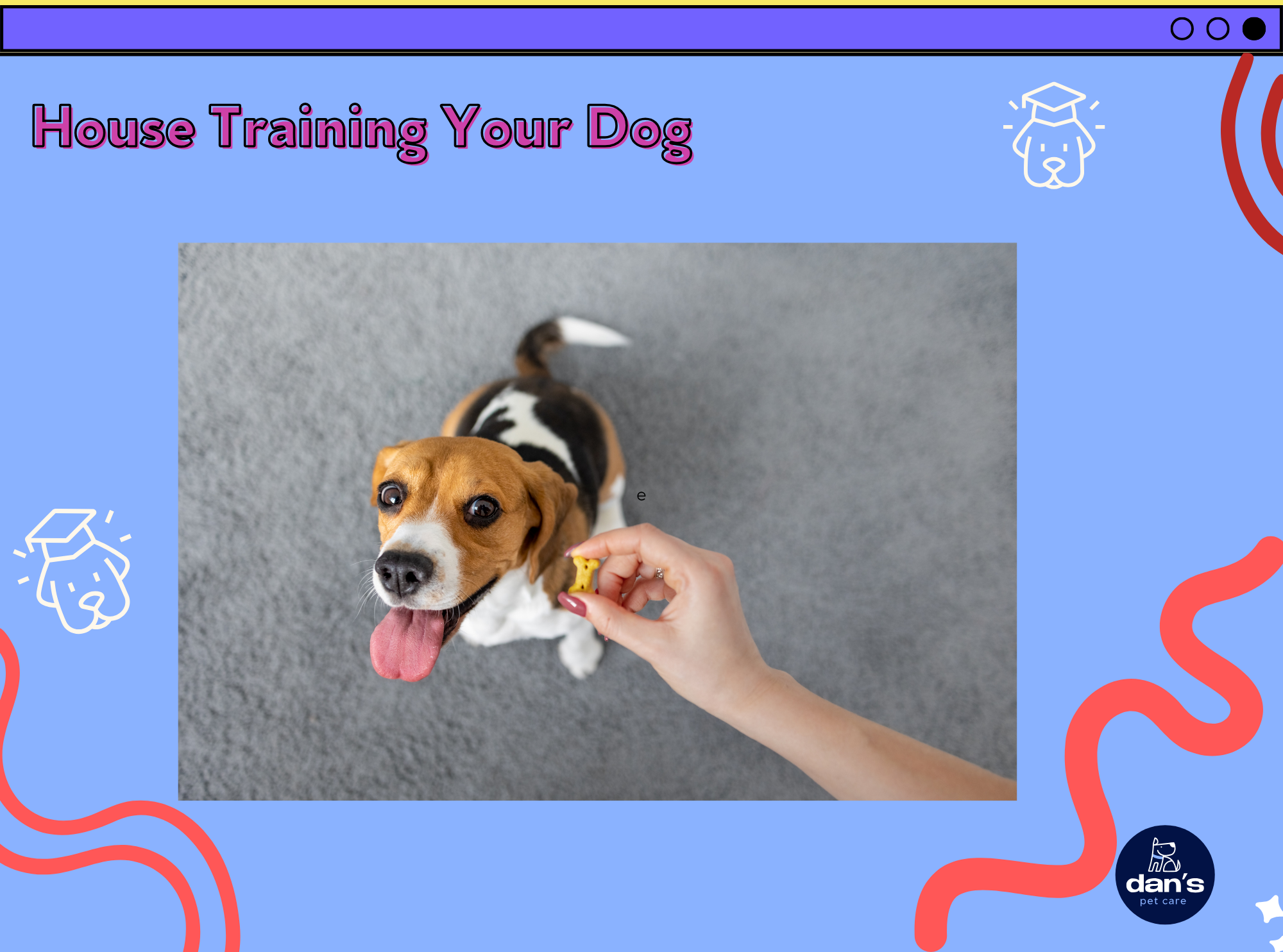
Rewarding your dog immediately after they go in the right spot is one of the most important parts of house training. Timing matters, so praise and treat your dog the moment they finish, while they are still in the right place. This helps your dog connect the reward with the correct behavior.
Use enthusiastic praise and a high value treat so your dog understands this is exactly what you wanted. Consistent rewards make the desired behavior more likely to repeat. Over time, going in the right spot becomes a well established habit. For Long Island dog owners, generous, well timed rewards are the fastest path to a house trained dog.
Handling Accidents Calmly
Accidents are a normal part of house training, and how you respond makes a big difference. If you catch your dog in the act, calmly interrupt them with a gentle sound and guide them to the correct spot, then reward them for finishing there. Never punish, scold, or rub your dog’s nose in a mess.
Punishment does not teach your dog where to go and often makes them anxious or afraid to go in front of you. If you find an accident after the fact, simply clean it up without reaction. Staying calm keeps the process positive. For Long Island dog owners, a patient response to accidents keeps house training on track.
Cleaning Accidents Properly
Cleaning up accidents thoroughly is important, because dogs are drawn back to spots that smell like urine. Ordinary household cleaners often fail to fully remove the odor that attracts your dog to repeat the behavior in the same place.
Use an enzymatic cleaner made specifically for pet messes, which breaks down the odor completely rather than masking it. Avoid ammonia based cleaners, since ammonia can smell like urine to dogs and encourage repeat accidents. Thorough cleaning helps prevent your dog from returning to the same spot. For Long Island dog owners, the right cleaning products are an important part of successful house training.
House Training Puppies Versus Adult Dogs
House training looks a little different depending on your dog’s age. Puppies have small bladders and need very frequent potty breaks, sometimes every hour or two, since they cannot hold it for long. Their house training requires extra patience and vigilance as they learn and grow.
Adult dogs can typically hold it longer, but a newly adopted adult may still need house training, especially if their past habits are unknown. The same principles of routine, supervision, and rewards apply at any age. For Long Island dog owners, adjusting your expectations to your dog’s age and needs helps house training go smoothly.
Common House Training Mistakes
A few common mistakes can slow house training progress. Being inconsistent with the routine is the biggest one, since it confuses your dog about when and where to go. Other mistakes include giving too much freedom too soon and reacting to accidents with punishment.
• Inconsistent potty break schedules
• Giving the dog unsupervised freedom too early
• Punishing accidents instead of rewarding success
• Not cleaning accident spots thoroughly
• Expecting a puppy to hold it longer than they can
Avoiding these pitfalls keeps house training on track. For Long Island dog owners, consistency and patience make all the difference in building reliable habits.
Nighttime House Training
Nighttime can be a challenge, especially with puppies who cannot hold it through the night at first. Take your dog out right before bed, and limit water for a short period before sleep to reduce the need to go overnight. A crate near your bed can help you hear when your puppy needs a break.
For young puppies, you may need to get up once during the night for a potty break, keeping it calm and boring so your puppy learns it is not playtime. As your dog matures, they will be able to sleep through the night. For Long Island dog owners, patience with nighttime training pays off as your dog gains bladder control.
House Training and Your Work Schedule
Many Long Island families work outside the home, which can make house training tricky, especially with puppies who need frequent breaks. Leaving a dog too long without a chance to go slows house training and can lead to accidents and anxiety. A plan for midday breaks is essential during the learning period.
A midday visit from a professional gives your dog a bathroom break and keeps their routine consistent while you are at work. This support prevents your dog from being forced to hold it too long and reinforces good habits. For Long Island dog owners, arranging reliable midday care is a key part of house training success during the workday.
Weather Challenges on Long Island
Long Island weather does not always cooperate with house training. Rain, snow, cold, and heat can all make outdoor potty trips less appealing for your dog. Some dogs resist going out in bad weather, which can lead to accidents or reluctance to eliminate outside.
Stay consistent even in poor weather, and consider a covered area or appropriate gear to keep your dog comfortable. Reward your dog for going despite the conditions. Keeping the routine steady through all seasons helps maintain good habits. For Long Island dog owners, planning for the region’s varied weather keeps house training on track year round.
When Progress Stalls
Sometimes house training hits a plateau, and progress seems to stall. This is common and usually means it is time to revisit the basics. Tighten up your routine, increase supervision, and make sure you are rewarding success consistently. Going back to fundamentals often gets things moving again.
Consider whether anything has changed in your dog’s environment or routine that could be causing setbacks. Stay patient and avoid frustration, since house training takes time. If problems persist despite a consistent approach, professional guidance can help. For Long Island dog owners, a calm, methodical return to the basics usually resolves temporary setbacks.
When to Consider a Medical Cause
If your house trained dog suddenly starts having accidents, or a dog struggles to make progress despite a consistent approach, it is worth considering a medical cause. Certain health issues, including urinary tract infections and other conditions, can affect your dog’s ability to hold it or control elimination.
Contact your Long Island veterinarian if you notice frequent accidents, straining, changes in thirst or urination, or other concerning signs. Ruling out a medical issue ensures you are not mistaking a health problem for a training problem. For Long Island dog owners, a quick vet check provides peace of mind and helps you address the real cause.
How Dan’s Pet Care Can Help
House training takes consistency, which is hard to maintain during a busy workday. Dan’s Pet Care helps Long Island families with midday dog walking and potty breaks that keep your dog’s routine steady, plus dog training support to reinforce good habits.
Our trained, insured Pet Care Specialists give your dog reliable bathroom breaks and gentle guidance while you are away, so your dog is never forced to hold it too long. We build a schedule around your dog’s needs, supporting house training progress even during your busiest days.
Ready to start the training?
House training takes patience, consistency, and a positive attitude, but the payoff is a clean home and a confident dog. With a steady routine, close supervision, and generous rewards, you can guide your dog to reliable habits. Stay calm through the setbacks, and your Long Island dog will get there.
Need midday support during house training? Contact Dan’s Pet Care today to arrange reliable potty breaks and care built around your dog.