
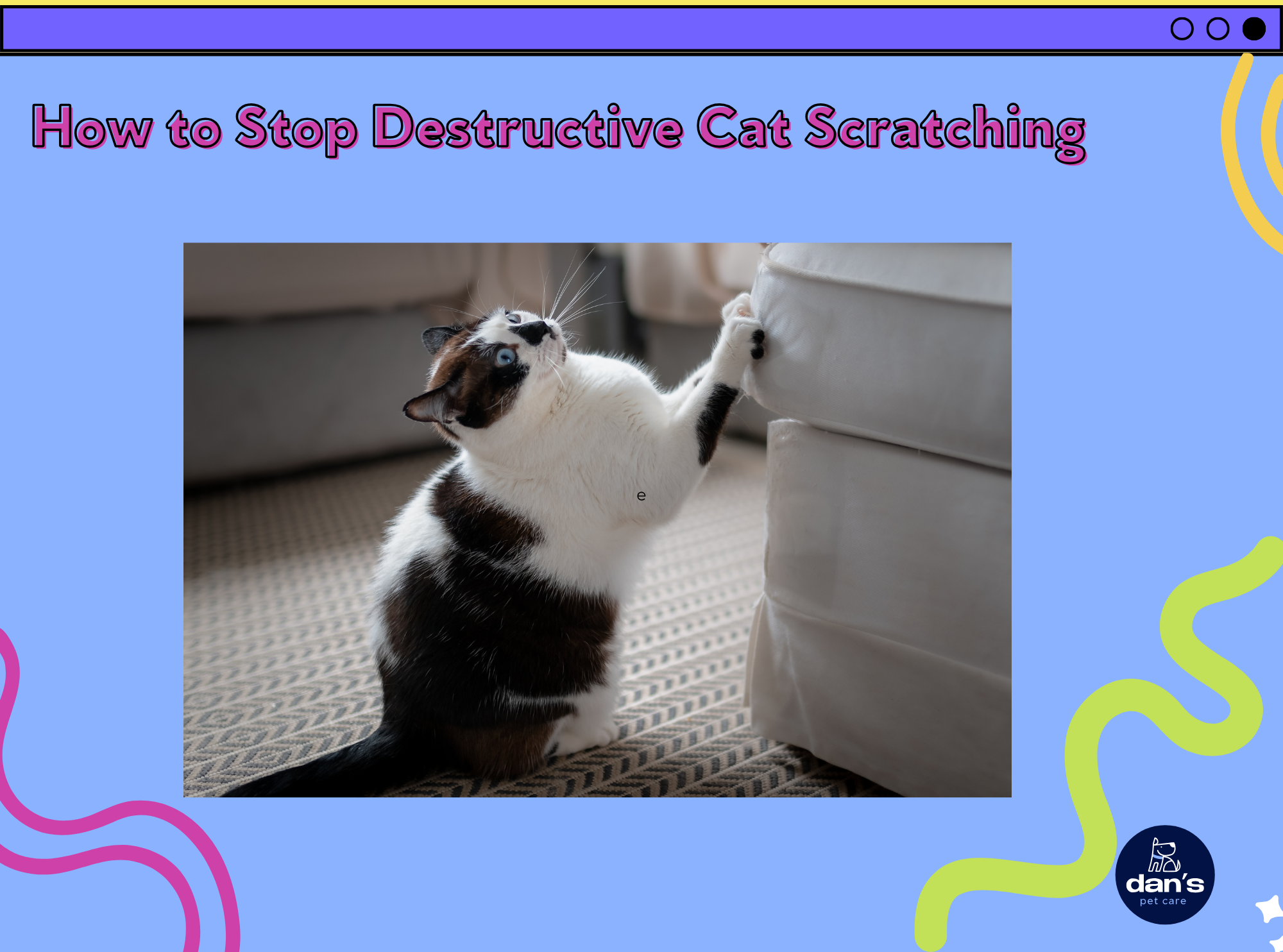
If your cat has turned your couch into a scratching post, you are not alone. Scratching is one of the most common frustrations for cat owners, but here is the important thing to understand: scratching is a natural, healthy behavior that your cat needs to do. The goal is not to stop it, but to redirect it.
With the right approach, you can protect your furniture while giving your cat appropriate outlets for this essential instinct. It takes patience and a little strategy, but it absolutely works. In this guide, we will help Long Island cat owners understand why cats scratch and how to redirect that scratching to the right places.
Why Cats Scratch
Understanding why cats scratch is the first step to solving the problem. Scratching is not your cat being naughty. It serves several important purposes that are deeply rooted in feline instinct. When you understand these reasons, you can work with your cat’s nature rather than against it.
Cats scratch to maintain their claws by removing old outer layers, to stretch their muscles and bodies, and to mark their territory with both visible marks and scent from glands in their paws. Scratching also helps relieve stress and feels good. Because scratching meets these real needs, your cat will keep doing it. For Long Island cat owners, the key is providing better options.
Never Punish Scratching
It is important to understand that punishing your cat for scratching does not work and can make things worse. Punishment can make your cat fearful and anxious, damage your relationship, and even increase stress related scratching. Since scratching is a natural need, punishing it leaves your cat with no acceptable outlet.
Instead of punishment, focus on redirecting your cat to appropriate scratching surfaces and making those options appealing. Positive approaches work far better and keep your bond strong. Yelling, spraying with water, or other punishments only create fear. For Long Island cat owners, a patient, positive strategy is the effective and humane way to solve scratching problems.
Providing the Right Scratching Posts
The foundation of solving scratching problems is providing appropriate scratching posts and surfaces. If your cat does not have good options, they will use your furniture instead. Offering sturdy, appealing scratchers gives your cat somewhere appropriate to satisfy their natural need to scratch.
A good scratching post should be tall enough for your cat to stretch fully, sturdy enough not to wobble, and covered in a material your cat likes. Cats often prefer a post they can really dig into. Providing enough scratchers throughout your home is key. For Long Island cat owners, quality scratching posts are the most important tool for redirecting scratching away from furniture.
Vertical Versus Horizontal Scratchers
Cats have individual preferences when it comes to how they scratch. Some cats prefer to scratch vertically, reaching up high to stretch, while others prefer horizontal surfaces. Many cats enjoy both. Offering a variety of scratcher styles helps you discover what your cat likes best.
Watch how your cat scratches to learn their preference. If they stretch up on your couch, a tall vertical post may appeal to them. If they scratch the carpet, a horizontal scratcher might be ideal. Providing both options increases the chances your cat will use them. For Long Island cat owners, matching scratcher styles to your cat’s preferences makes redirection far more successful.
Choosing the Right Materials
Cats have preferences about scratching materials, and finding the right one helps draw your cat to appropriate surfaces. Common scratcher materials include sisal rope, sisal fabric, cardboard, carpet, and wood. Many cats love the texture of sisal, while others prefer cardboard.
If your cat is scratching a particular surface in your home, try to offer a scratcher with a similar texture. Experimenting with different materials helps you learn what your cat prefers. Once you find a material your cat loves, provide more of it. For Long Island cat owners, choosing materials your cat enjoys makes appropriate scratchers much more appealing than the furniture.
Placement of Scratchers
Where you place scratching posts matters just as much as the posts themselves. Cats often scratch in prominent, socially important areas and after waking up, so placing scratchers thoughtfully increases the chance your cat will use them. Location is a key part of the strategy.
Place scratchers near where your cat sleeps, since cats love to stretch and scratch after naps, and near the furniture they have been targeting. Putting a post right next to a scratched couch gives your cat a better option in the same spot. For Long Island cat owners, smart placement makes it easy and natural for your cat to choose the scratcher over the furniture.
Redirecting Your Cat
When you catch your cat scratching furniture, gently redirect them to an appropriate scratcher rather than punishing them. Calmly encourage your cat toward the post, and reward them with praise or a treat when they use it. This teaches your cat where scratching is welcome.
You can make the scratcher more enticing by gently showing your cat the post or using toys to lead them to it. Never force your cat’s paws onto the post, since this can create a negative association. Consistent, positive redirection helps your cat learn the right habits. For Long Island cat owners, patient redirection is the heart of solving scratching problems.
Making Furniture Less Appealing
While you encourage your cat to use scratchers, you can also make your furniture less appealing to scratch. Cats dislike certain textures and surfaces, so temporarily protecting targeted furniture can help break the habit. This works best alongside providing attractive scratching alternatives.
Options include covering targeted areas with double sided tape, a special cat deterrent tape, or a material your cat dislikes, since cats avoid surfaces that feel unpleasant to their paws. Once your cat reliably uses their scratchers, you can usually remove these protections. For Long Island cat owners, making furniture less inviting speeds up the transition to appropriate scratching surfaces.
Using Catnip to Attract
Catnip can be a helpful tool for drawing your cat to their scratching posts. Many cats are attracted to catnip, and using it on or near a scratcher can encourage your cat to investigate and use it. This positive association helps make the scratcher a favorite spot.
Rub or sprinkle a little catnip on the scratching post to pique your cat’s interest, or choose a scratcher that comes infused with catnip. Not all cats respond to catnip, so if yours does not, silvervine is a good alternative. For Long Island cat owners, using catnip to make scratchers appealing is a simple, effective way to encourage good scratching habits.
Nail Trims and Maintenance
Regular nail trims are a helpful part of managing scratching and reducing damage. Keeping your cat’s claws trimmed lessens the impact of scratching and can make the behavior less destructive. Trimming also keeps your cat comfortable and prevents overgrown nails.
Introduce nail trimming gently and gradually, rewarding your cat with treats and praise so they learn to tolerate it. Trim only the sharp tips, being careful to avoid the sensitive area. If you are unsure, your veterinarian or groomer can help or show you how. For Long Island cat owners, regular nail maintenance complements scratchers as part of a complete approach to managing scratching.
Multiple Cats and Scratching
In homes with more than one cat, scratching needs multiply. Multiple cats mean you need more scratching posts spread throughout your home, since cats may not want to share and each needs their own outlets. Providing enough scratchers helps prevent competition and reduces furniture scratching.
Place scratchers in different areas so each cat has access without conflict, and offer a variety of styles to suit individual preferences. Marking through scratching is also more common in multi cat homes, so plenty of appropriate options help. For Long Island cat owners with multiple cats, providing ample scratching surfaces is key to protecting your furniture and keeping the peace.
Kittens and Scratching Habits
Starting kittens off with good scratching habits is much easier than correcting problems later. Kittens naturally begin scratching young, so providing appropriate scratchers from the start helps them learn where to scratch. Early guidance sets the foundation for good habits throughout their life.
Offer kittens a variety of scratchers, encourage them to use the posts, and reward good scratching behavior. Redirect them gently if they start on furniture. Building these habits early prevents furniture scratching from becoming established. For Long Island cat owners, teaching kittens to use scratchers from the beginning is the easiest path to a scratch friendly home.
Why Declawing Is Not the Answer
Declawing may seem like a solution to scratching, but it is a serious surgery that is widely discouraged and increasingly restricted. Declawing involves amputating part of each toe, and it can cause lasting pain, behavioral problems, and difficulty using the litter box. It removes your cat’s ability to perform a natural, needed behavior.
Rather than declawing, redirecting scratching to appropriate surfaces protects both your furniture and your cat’s wellbeing. Humane alternatives like scratchers, nail trims, and deterrents are effective and kind. For Long Island cat owners, choosing these positive approaches over declawing keeps your cat healthy, comfortable, and able to express natural behavior.
Patience and Consistency
Solving scratching problems takes patience and consistency, so do not get discouraged if change does not happen overnight. Redirecting an established habit takes time, and your cat is not being defiant. They are following a natural instinct that simply needs a better outlet.
Stay consistent with providing scratchers, redirecting gently, and rewarding good behavior. Over time, your cat will learn to use their scratchers reliably. Celebrate progress and keep at it. For Long Island cat owners, a patient, consistent approach is the key to success, and the reward is protected furniture and a happy cat with appropriate places to scratch.
When Scratching Signals Stress
Sometimes an increase in scratching can signal that your cat is stressed. Since scratching is partly a way to mark territory and relieve tension, a stressed cat may scratch more. If your cat’s scratching increases suddenly, it is worth considering whether something in their environment has changed.
Common stressors include new pets, new people, changes in routine, or moving. Addressing the source of stress, along with providing enrichment and appropriate scratchers, can help. If scratching seems tied to anxiety, a calm, enriched environment supports your cat. For Long Island cat owners, recognizing when scratching reflects stress helps you address the root cause and support your cat’s wellbeing.
How Dan’s Pet Care Can Help
A happy, enriched cat is less likely to scratch destructively. Dan’s Pet Care helps keep Long Island cats content and cared for with our in-home cat visits, which include play, attention, and a watchful eye on your cat’s wellbeing and environment.
Our trained, insured Pet Care Specialists provide enrichment and companionship that help reduce stress related scratching, and they follow your care routine closely. Whether you are at work or away, we help keep your cat happy, engaged, and comfortable in their home.
Final Thoughts
Scratching is a natural, healthy behavior, so the goal is to redirect it rather than stop it. By providing appealing scratchers, placing them well, making furniture less tempting, and staying patient, you can protect your home while meeting your cat’s needs. A little strategy leads to a scratch friendly home here on Long Island.
Want attentive, enriching care for your cat? Contact Dan’s Pet Care today to arrange in-home cat visits that keep your cat happy and content.