Cats thrive when their environments support their natural instincts. Whether you are caring for community cats outdoors or enriching the life of an indoor feline, thoughtful design makes a difference.

Why Is My Dog Suddenly Aggressive? Causes and Solutions
Moving to Nassau County with a Cat? What You Need to Know
Professional Dog Walking vs. Neighbor Drop-Ins: What’s the Difference?
Can Cats Get Lonely? Signs Your Cat Needs More Interaction
Puppy Training 101: Raising a Confident Pup in Nassau County
The Best Nutrition for Long Island Cats in 2026
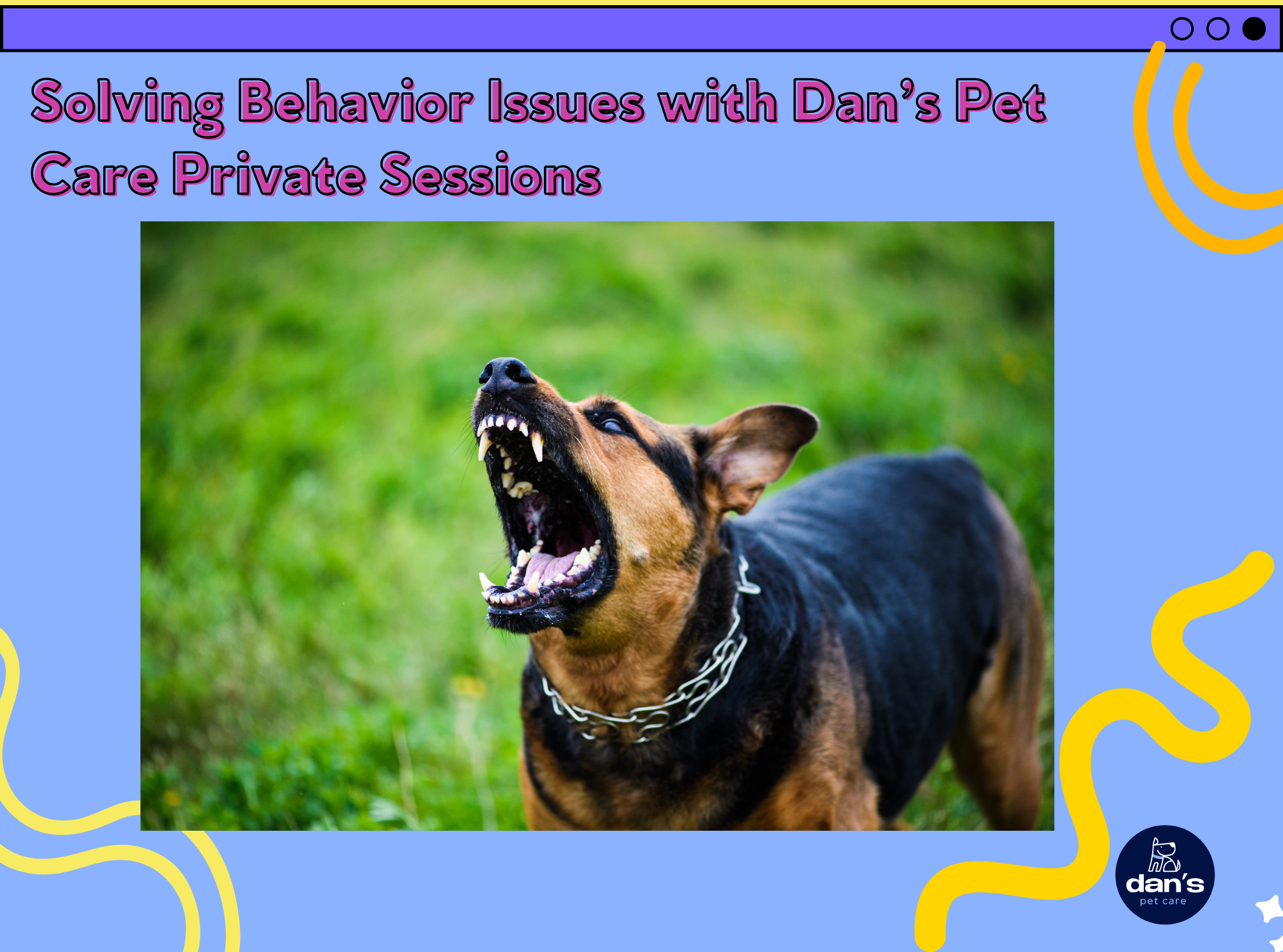
Modern Training for Modern Dogs: Solving Behavior Issues with Dan’s Pet Care Private Sessions
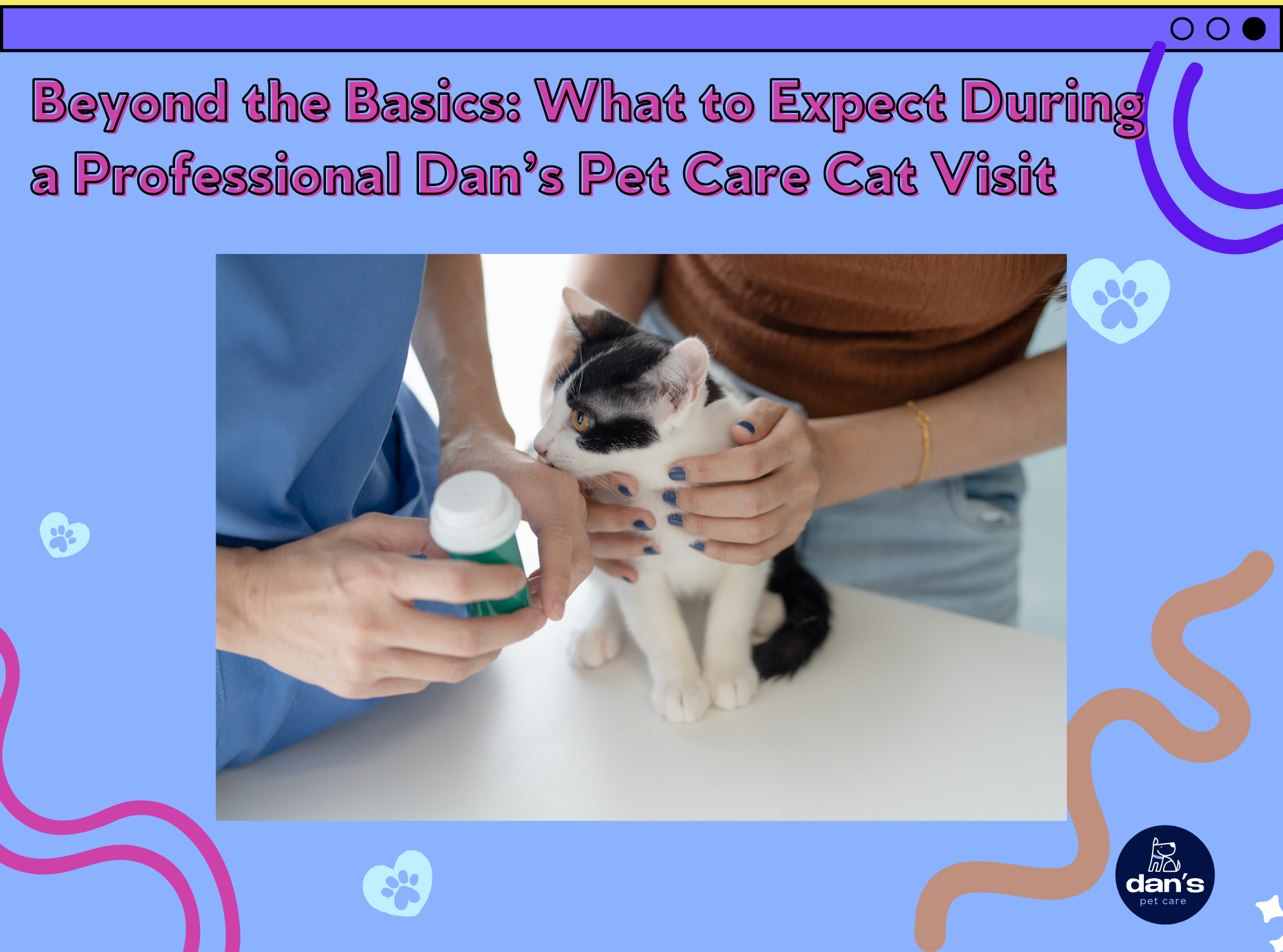
Beyond the Basics: What to Expect During a Professional Dan’s Pet Care Cat Visit
Professionalism Matters: The Difference Between a Hobbyist and a Fully Bonded & Insured Pet Care Team
The 2026 Nutrition Revolution: Fresh & Freeze-Dried Diet Trends for Long Island Cats
The Benefits of Structured Walk Routines for High-Energy Breeds
How to Stop a Cat from Scratching Furniture: Practical 2026 Solutions
Protecting Paws: Winter Salt & Ice Safety for Long Island Dogs
The Best Cat Sitting Services in Long Island
A New Resident's Guide to Pet Life in Long Island County
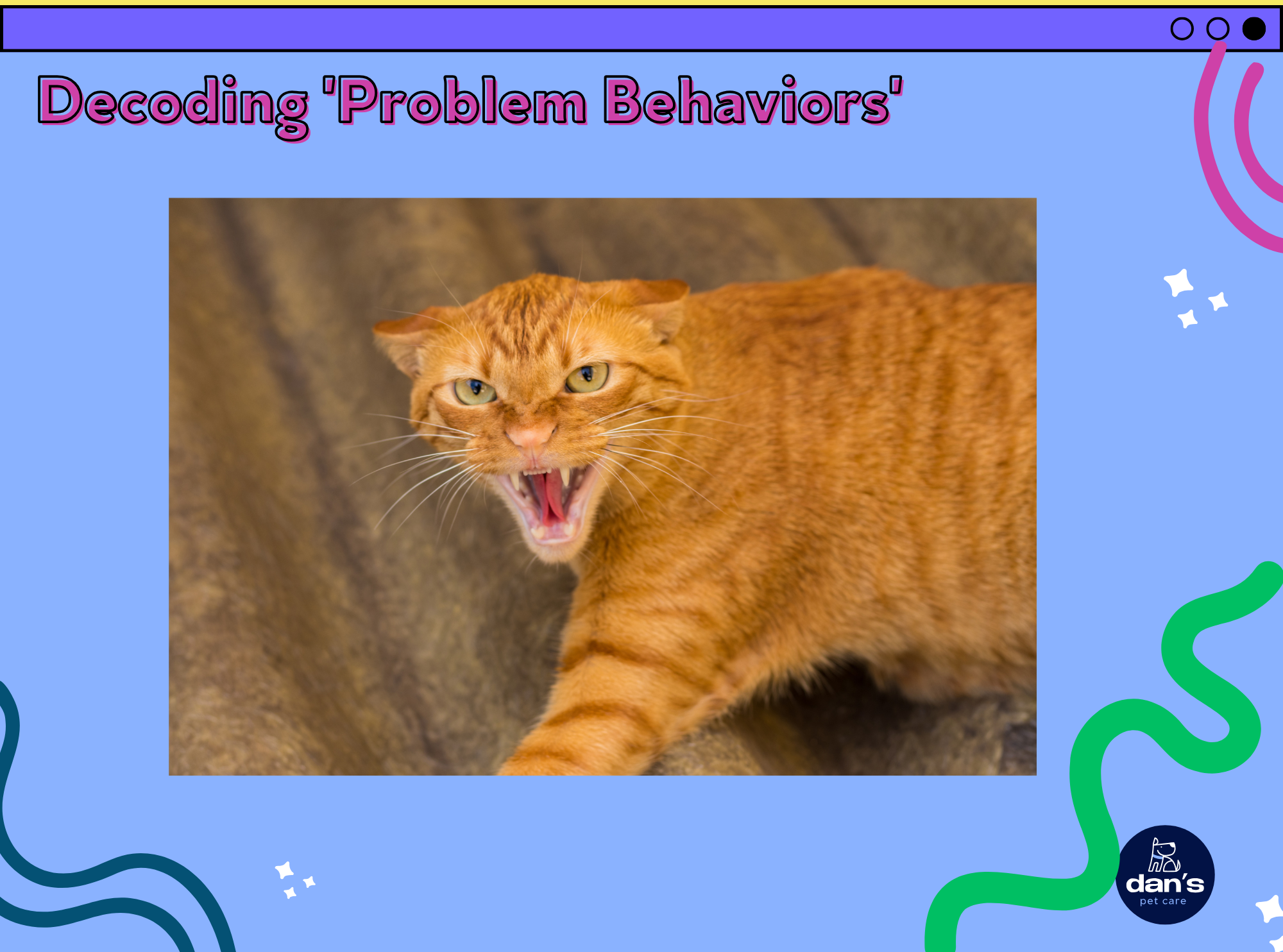
Decoding 'Problem Behaviors': When Normal Cat Actions Become Household Conflicts
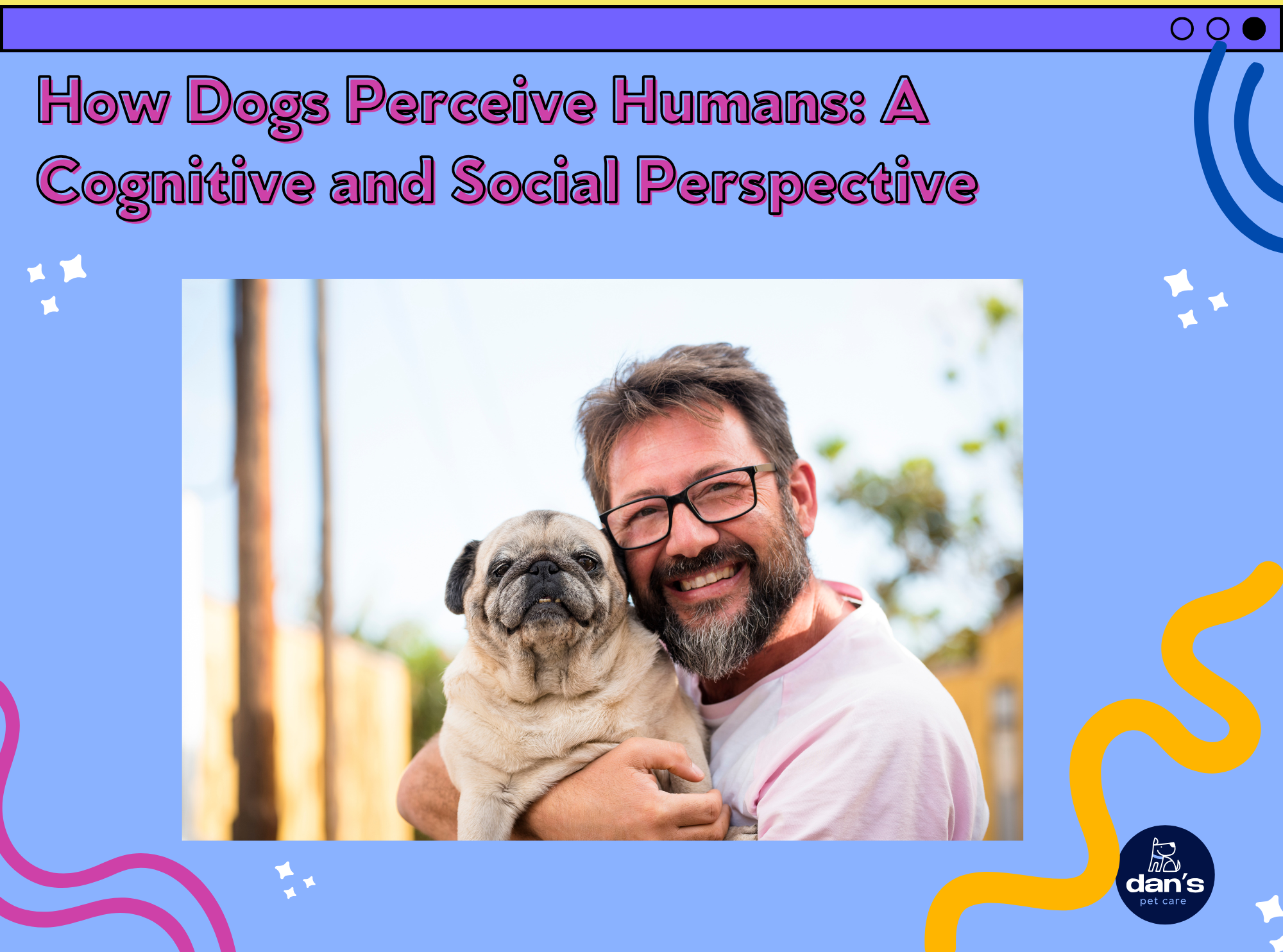
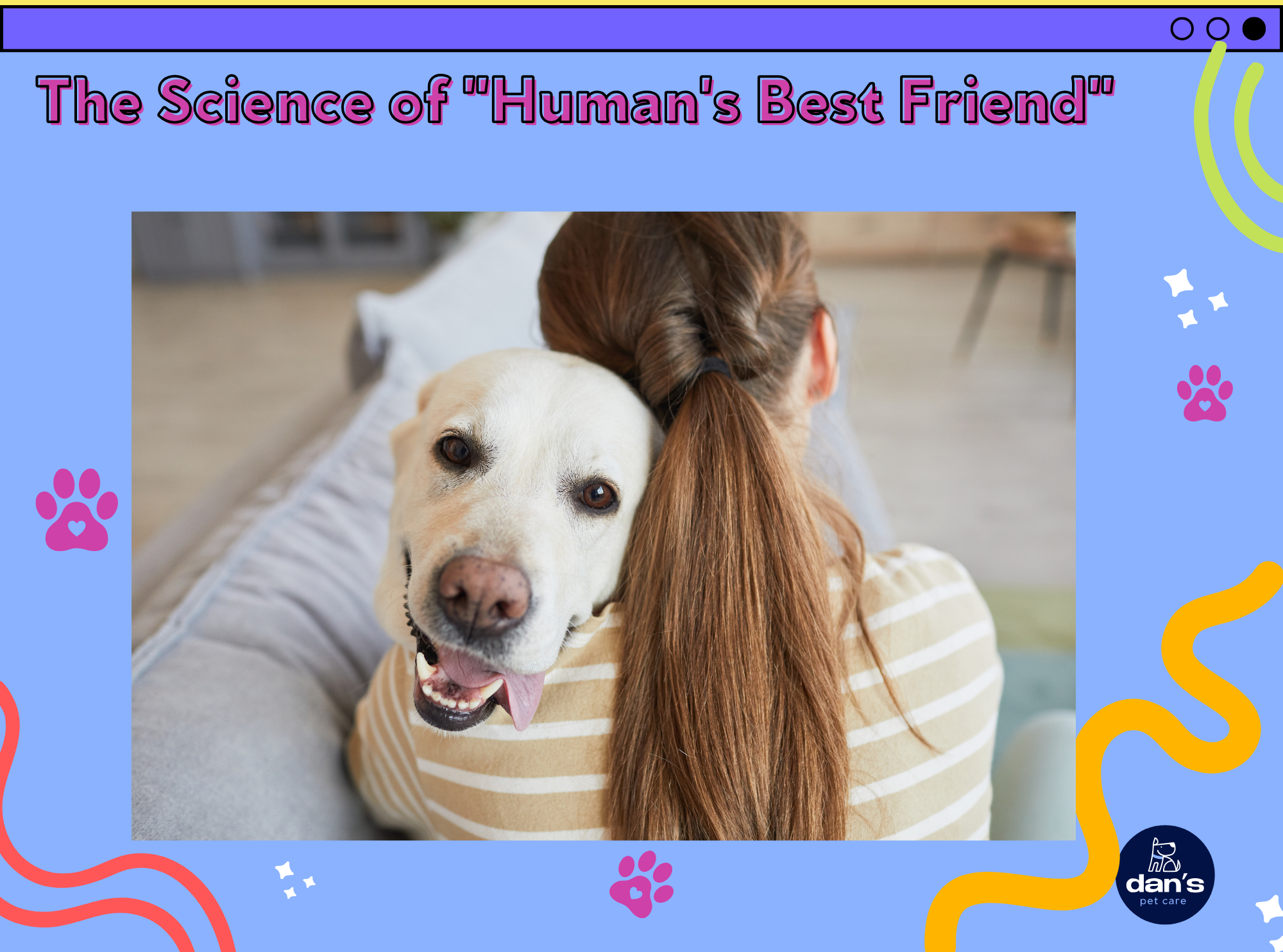
How Dogs Perceive Humans: A Cognitive and Social Perspective
Do You Speak Cat? Understanding Feline Body Language and Vocalizations
Cats are often misunderstood as mysterious or aloof, but in truth, they are constantly communicating with us. The key is knowing how to read their body language and vocalizations. From tail flicks to purring, cats use a wide range of non-verbal cues to express everything from affection to discomfort.